Snow changes how people experience a landscape. Mountains that feel busy in summer suddenly become quieter, with trails hidden under fresh snowfall and villages settling into a slower rhythm. For travellers who enjoy alpine environments, winter opens up an entirely different set of journeys: train routes crossing snowy passes, backcountry slopes reached only by skis, and remote hiking routes where glaciers dominate the skyline. Across several continents, certain mountain regions stand out for the way visitors move through them. Some are best explored by rail, others by ski or on foot.
From the Swiss Alps to Patagonia’s granite towers, these destinations offer real opportunities to travel through high mountain terrain instead of just admiring it from a distance.
Masterful Rail Journeys Through the Swiss Alps
Switzerland’s rail network makes it surprisingly easy to cross the Alpine terrain without ever touching a steering wheel. From the platforms around Bahnhofplatz in Zürich, trains head south toward the mountains, quickly leaving the lowlands behind. One of the most memorable routes is the Glacier Express, which links Zermatt with St. Moritz while passing deep valleys, snow-covered forests, and villages that appear tucked into narrow ledges above the tracks.
Those booking incredible Switzerland tours often follow rail routes that combine several of the country’s best-known lines. The Bernina Express, for example, runs from Chur to Tirano and climbs over the Bernina Pass at more than 2,200 metres. The line passes frozen lakes near Ospizio Bernina and then curves down past stone viaducts toward the Italian border. Many itineraries include time in towns such as Zermatt, where streets like Bahnhofstrasse lead toward the Matterhorn-facing viewpoints around Kirchplatz.
It’s certainly worth stepping off the train occasionally. Around Wengen and Lauterbrunnen, cable cars and local mountain railways climb toward viewpoints like Kleine Scheidegg, where the Eiger’s north face sits directly above the station.
Pristine Backcountry and Deep Powder in Niseko
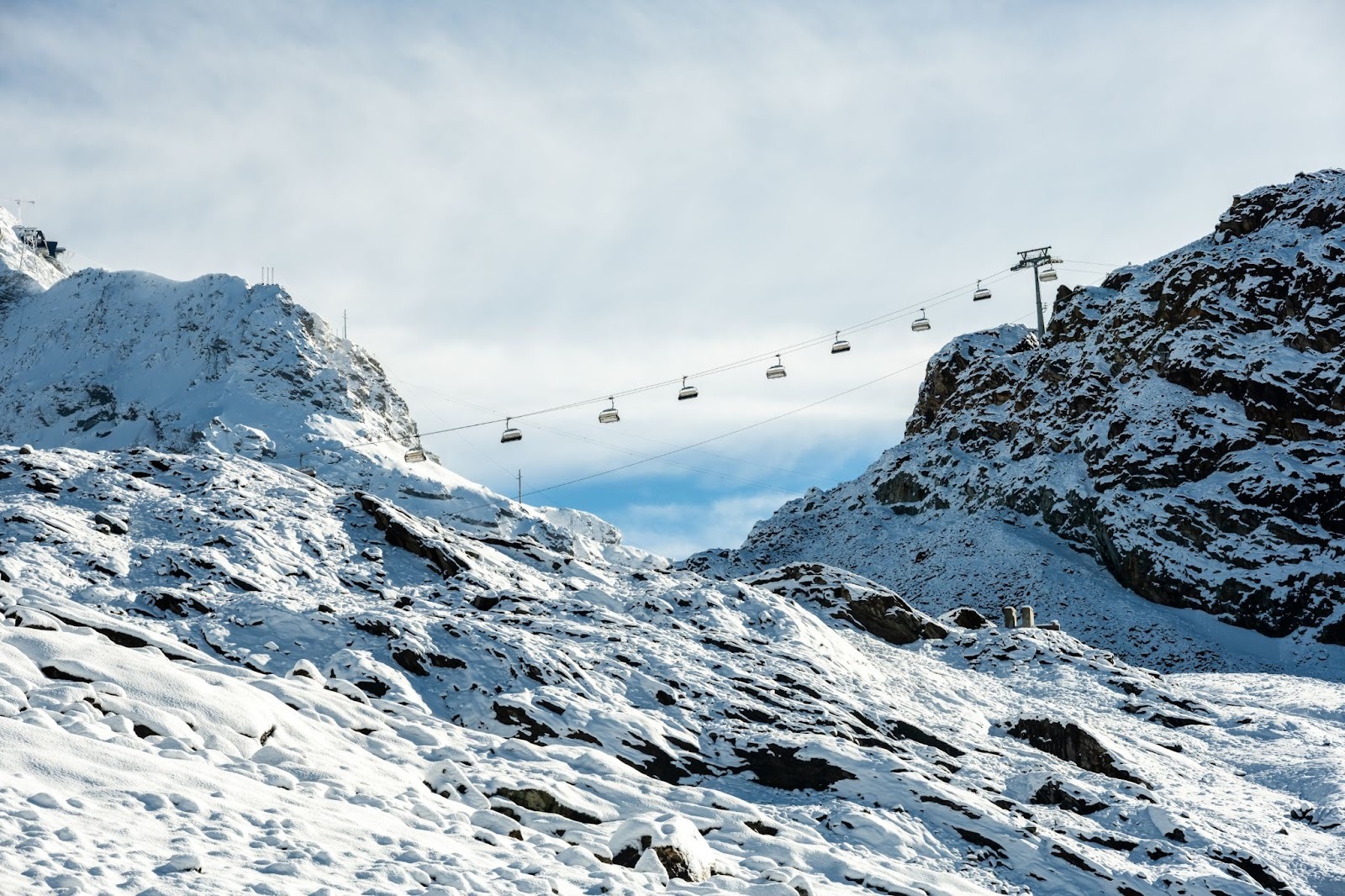
Niseko sits on Japan’s northern island of Hokkaido, and winter visitors usually arrive through New Chitose Airport before continuing by road into the mountains. The main base area spreads between Hirafu, Kutchan, and the slopes of Mount Annupuri. Around Hirafu’s main street, skiers move between rental shops and lift stations while snowbanks pile up along the roadside.
The real draw here is the snow itself. Storm systems rolling across the Sea of Japan often drop consistent powder across the Niseko United ski area. From the Grand Hirafu lifts, riders can climb toward the upper bowls before heading through marked gates that lead into backcountry terrain. Some routes drop toward Hanazono’s tree runs, while others eventually reconnect with the pistes near Annupuri.
Away from the lifts, Kutchan’s quieter streets offer a glimpse of everyday life in the region. A short train ride from Hirafu Station connects the ski area with this small town, where local markets and neighbourhood streets sit under thick winter snow for much of the season.
Glacial Grandeur and Granite Peaks on the W Trek
Southern Patagonia feels remote even before reaching the national park. Travellers usually begin in Puerto Natales, where Avenida Pedro Montt runs along the waterfront, and weather systems move quickly across the channel. From here, buses head north into Torres del Paine National Park, passing open grasslands where guanacos often appear beside the road.
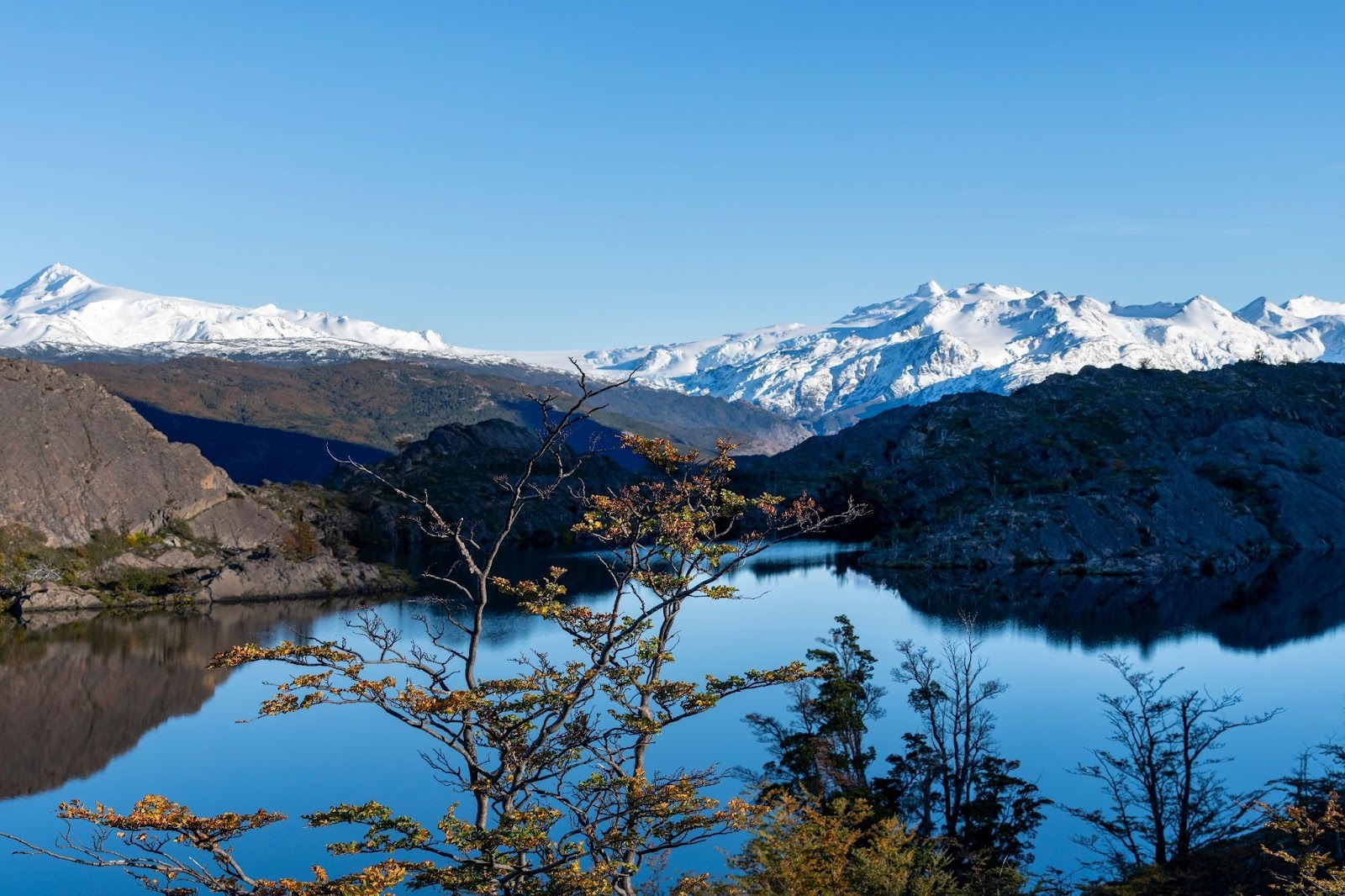
Many hikers come specifically to walk the W trek in Patagonia, one of the most recognised multi-day routes in South America. The trail links several valleys within Torres del Paine, forming a rough W shape across the park. Most journeys start near the Pudeto ferry crossing, where boats move across Lake Pehoé toward Paine Grande.
From there, hikers follow routes into the French Valley, where hanging glaciers occasionally send small avalanches into the basin below. Another section climbs toward the Base Torres viewpoint, reached by a final steep trail above the Río Ascencio valley. Early morning hikers often reach the viewpoint just as sunlight touches the granite towers above the lake.
Heli-Skiing the Untamed Wilderness of British Columbia
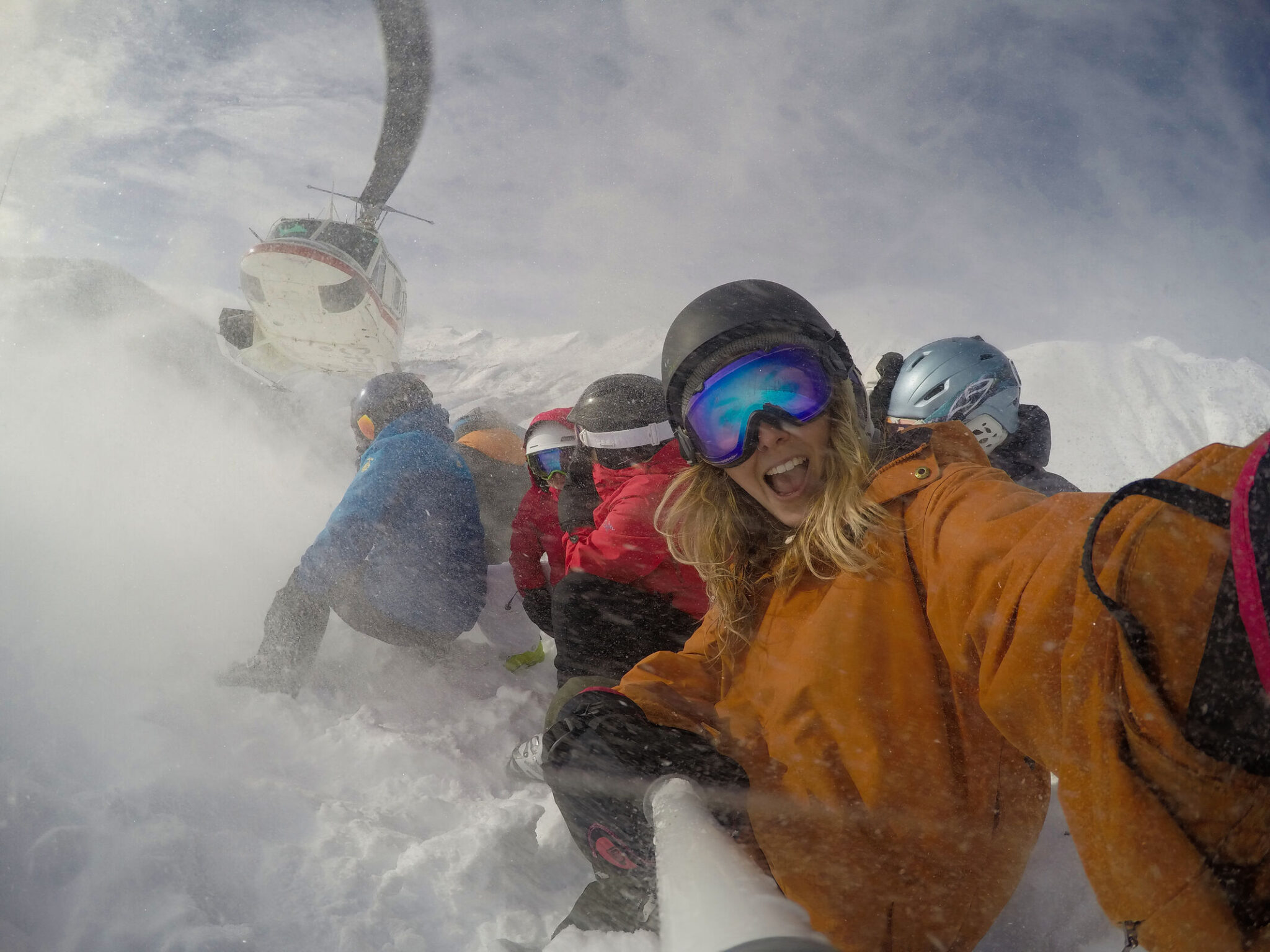
Western Canada’s mountain ranges stretch for hundreds of kilometres, and many valleys remain difficult to reach by road in winter. That’s where heli-skiing operations come in. Small helicopters carry groups from mountain lodges into terrain that would otherwise take days to reach on foot.
Several well-known bases sit around towns such as Revelstoke and Golden in British Columbia. From Revelstoke Airport, helicopters head toward the Monashee and Selkirk ranges, where large glaciers and steep forested slopes dominate the landscape. After landing on exposed ridges, skiers drop into long powder runs that wind through open alpine bowls before reaching dense cedar forests lower down.
Between runs, guides often point out surrounding peaks or glacial valleys visible from the landing zones. On clear days, it’s possible to see entire mountain chains stretching toward the horizon, with no roads or settlements anywhere nearby. Back at the lodges, evenings usually involve reviewing the day’s terrain maps and planning the next morning’s flight zones.
High-Altitude Thrills and Iconic Vistas in the Dolomites
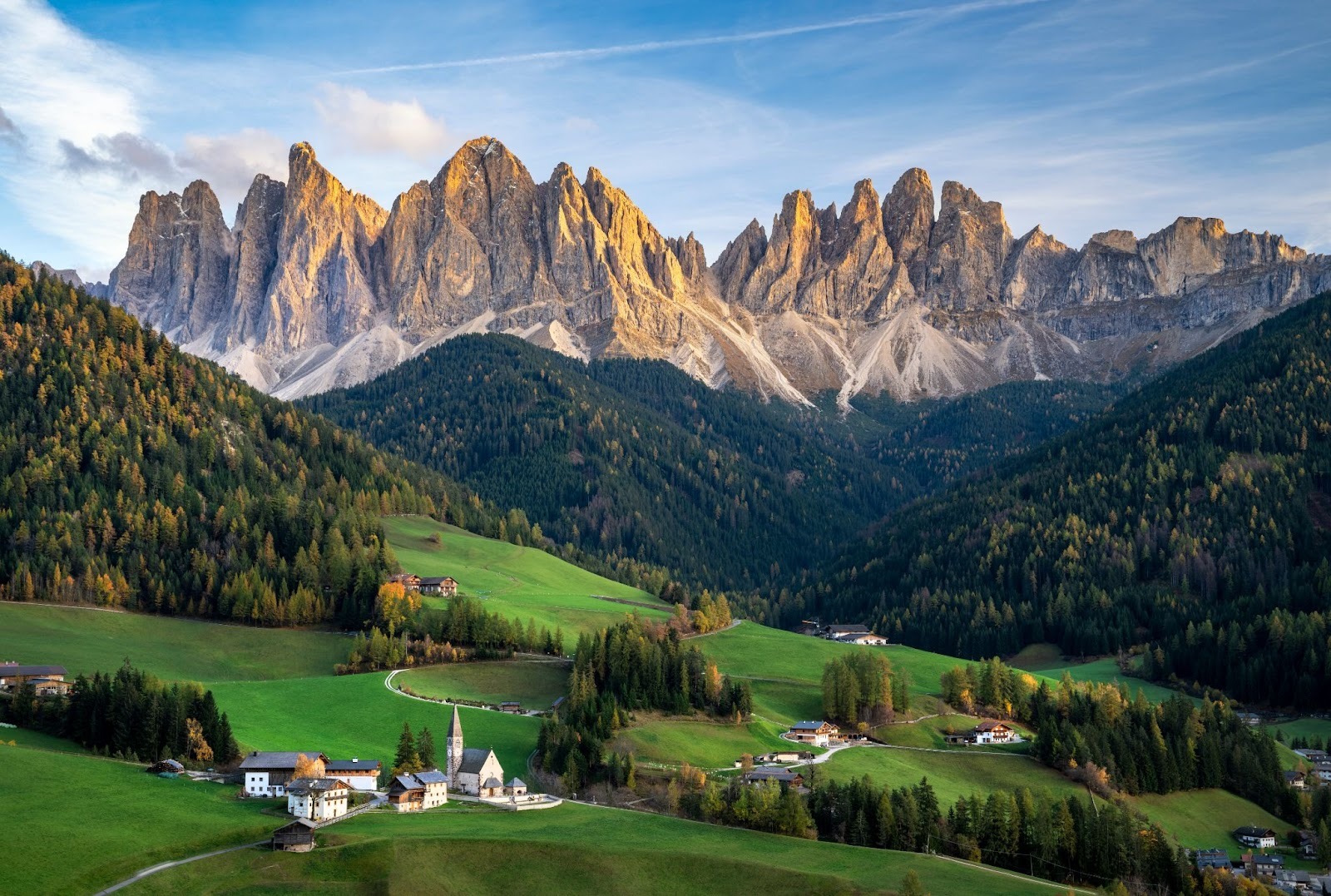
Northern Italy’s Dolomites look different from most Alpine ranges. Instead of rounded summits, sharp limestone towers rise directly above the valleys. Winter visitors often begin in Cortina d’Ampezzo, where Corso Italia runs through the centre of town and ski buses connect nearby lift systems.
One of the most memorable routes links the slopes around Cortina with the Sella Ronda circuit. Skiers move between valleys using a chain of lifts and pistes that circle the Sella massif. Along the way, the route passes villages such as Corvara and Selva di Val Gardena, each with narrow streets that wind through traditional alpine houses.
Even travellers who aren’t skiing can reach many viewpoints. Roads like the Passo Falzarego climb above the valley floor, where cable cars continue toward Lagazuoi’s high terraces. From the summit station, visitors look across frozen peaks and distant valleys that stretch deep into the Dolomite range.
Which peak will you conquer?
Mountain travel often comes down to how people move through the landscape itself. Some journeys unfold by train across high passes, others by skis through forests where fresh snow reshapes the slopes week after week, or on foot along long-distance routes that wind between glaciers and towering peaks. In other regions, helicopters reach remote ridgelines that would otherwise take days to access, while Alpine road networks and ski circuits connect valleys and villages high in the mountains. Each destination offers a different way to experience winter terrain once the snow settles in. The real question for travellers isn’t whether the mountains are worth visiting, but which peak they’ll tackle first.