Choosing between Courchevel and Val d’Isère isn’t simply a question of snow. It’s a choice between two very different visions of a French ski holiday: one defined by effortless luxury and vast, beautifully groomed terrain; the other by altitude, atmosphere, and that unmistakable big mountain energy. Both are world-class. Both have loyal devotees. But which one fits your style of skiing?
Why Courchevel stands out
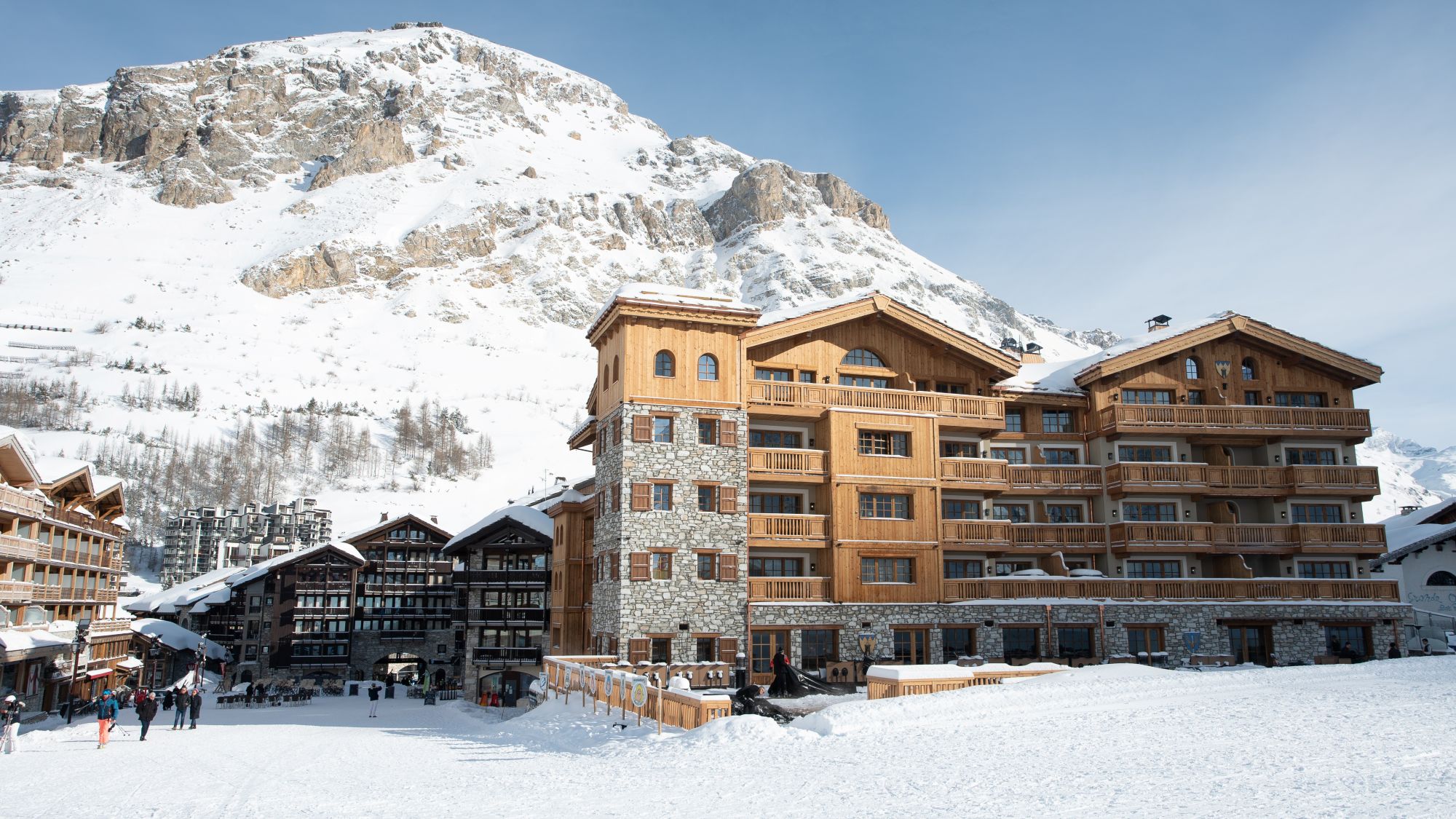
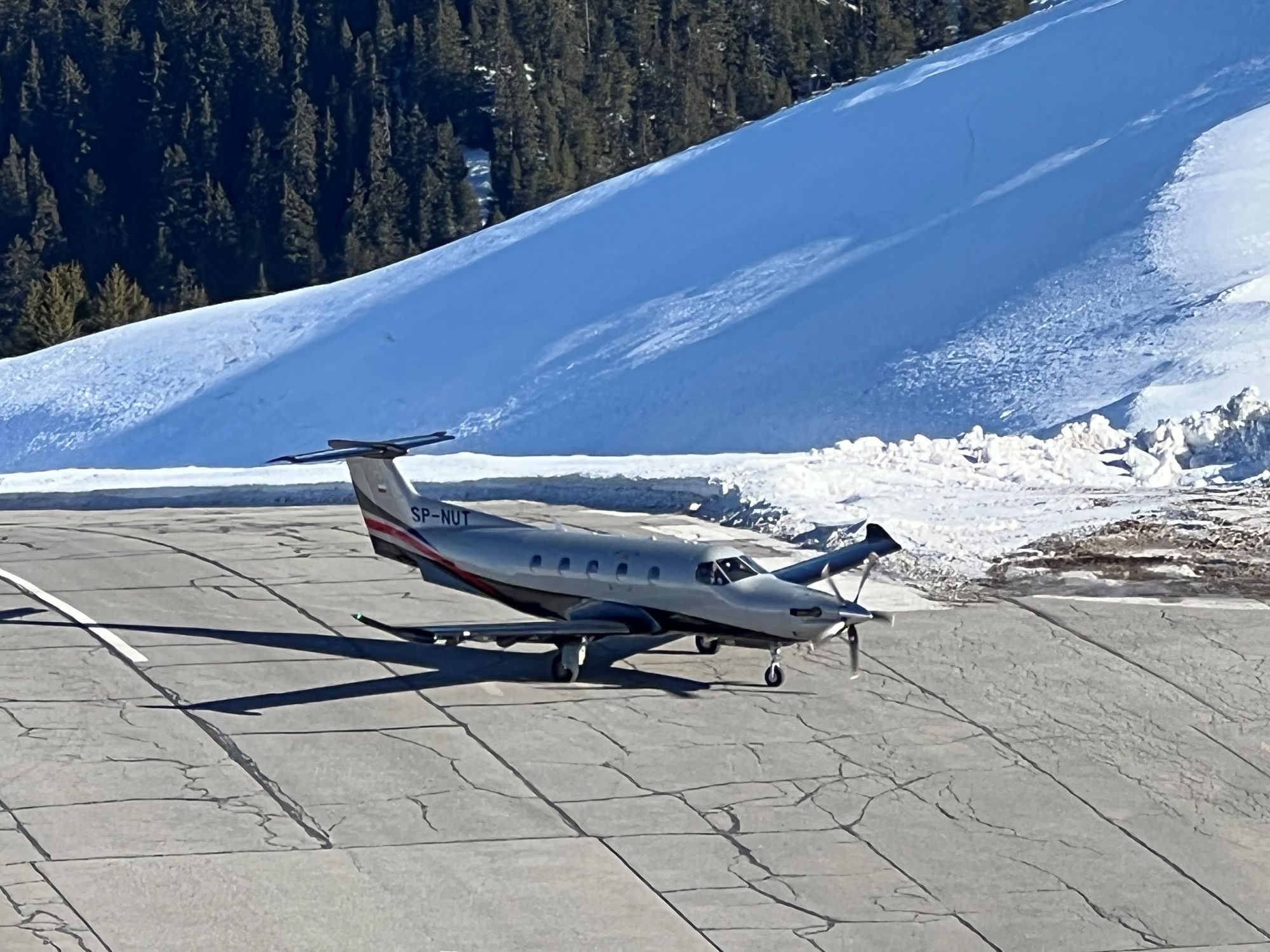
Courchevel gives you the best of both worlds: the largest linked ski area on earth (3 Vallées) and a string of distinct villages to explore—Le Praz, La Tania, Courchevel Village 1550, Moriond 1650 and 1850—plus swift links into Méribel and Saint-Martin-de-Belleville, and even across to Val Thorens and Orelle when you want quiet slopes. There’s an altiport for convenience (helicopter transfers & private jets), a deep roster of quality mountain restaurants, and grooming that makes mixed-ability days flow. Crucially, Courchevel has the best luxury chalets in the world, backed by outstanding five-star hotels and premium residences.
Why Val d’Isère stands out
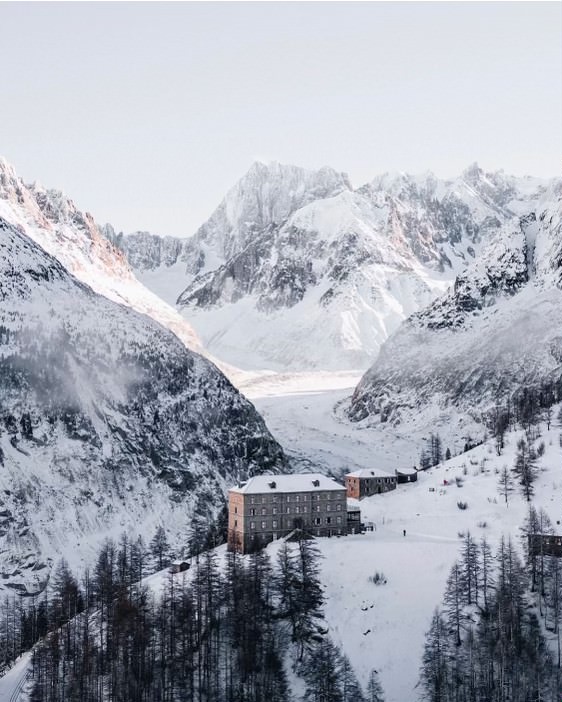
Set at 1,850 m at the head of a high, snowy valley, Val d’Isère is one of France’s highest authentic mountain villages. From late November to May it wears a proper winter coat; high, north-facing aspects off Bellevarde, Solaise and over to Le Fornet keep conditions reliable, and the linked Tignes–Val d’Isère ski area gives you serious range. The centre clusters around a baroque church with stone-and-wood chalets and slate roofs—traditional Savoyard atmosphere with real village life. Après can be full-throttle or low-key, and the chalet scene is France’s clear #2 after Courchevel.
Who each resort suits
Choose Courchevel if you want:
- A vast, forgiving ski area for families and mixed-ability groups, with expert options on tap.
- Multiple villages to match your style: traditional Le Praz, tree-lined La Tania, practical 1550, sunny 1650, luxurious 1850.
- A long list of quality mountain restaurants and easy mid-mountain meet-ups.
- The benchmark for palace-level hotels and the finest luxury chalets anywhere.
Choose Val d’Isère if you want:
- A high-altitude, authentic village with punchier, fall-line skiing and a long, snow-sure season.
- A proper town feel, 80+ restaurants, 30 bars and 4 nightclubs—from Folie Douce to cosy Le Fornet dinners.
- Five-star hotels on the snow front, design-led residences and exceptional catered chalets—second only to Courchevel.
Skiing character & terrain
Courchevel/ 3 Vallées
Silky grooming and confidence-building blues set an easy rhythm for families; reds and blacks stack up above 1850 and over into Méribel/Val Thorens. Traverses are scenic rather than stressful, so it’s simple to roam far, regroup for lunch and keep the day flowing.
Tree skiing & storm days: The 3 Vallées are much better for trees. Extensive evergreen spruce/pine forests in La Tania, Le Praz, lower Méribel and down towards Saint-Martin give real shelter and visibility when the weather rolls in – and they look superb under fresh snow.
Finish-easy advantage: In Courchevel there’s always a green or blue route into the villages (Le Praz, La Tania, 1550, 1650, 1850), so beginners can cruise home without stress.
Val d’Isère/ with Tignes
A touch more “big-mountain”: proper vertical, higher, colder snow and classic fall-line slopes. Intermediates get rolling reds; confident skiers step into steeper pitches and off-piste funnels. Learn the main corridors and it’s adventurous without the faff.
Tree note: Val d’Isère–Tignes has far less true tree skiing. Dominant mélèze (larch) are deciduous—they drop needles in winter—so cover is sparse and shelter limited. Best options are pockets near La Daille and toward Le Fornet/Laisinant, but it’s nowhere near as extensive as the 3 Vallées.
Return-to-village note: Last runs into the centre can feel punchy – La Face de Bellevarde is a true black and even the alternatives skew red/black, which can be daunting for intermediates and young families. Downloading is common on busy or chopped-up afternoons.
When to go (quick guide)
- Best value: 3 Jan – 7 Feb 2026 — quiet slopes, widest choice, best pricing; typically cold, dry snow.
- Next best: 7 Mar – mid-Apr 2026 — longer days, dependable snow at altitude, prime terrace time.
- Avoid: 7 Feb – 7 Mar 2026 (French school holidays) if you want fewer queues and lower prices.
- Australians’ bonus: your January break aligns with France’s low season right after New Year.
Village layout at a glance
Courchevel’s five bases
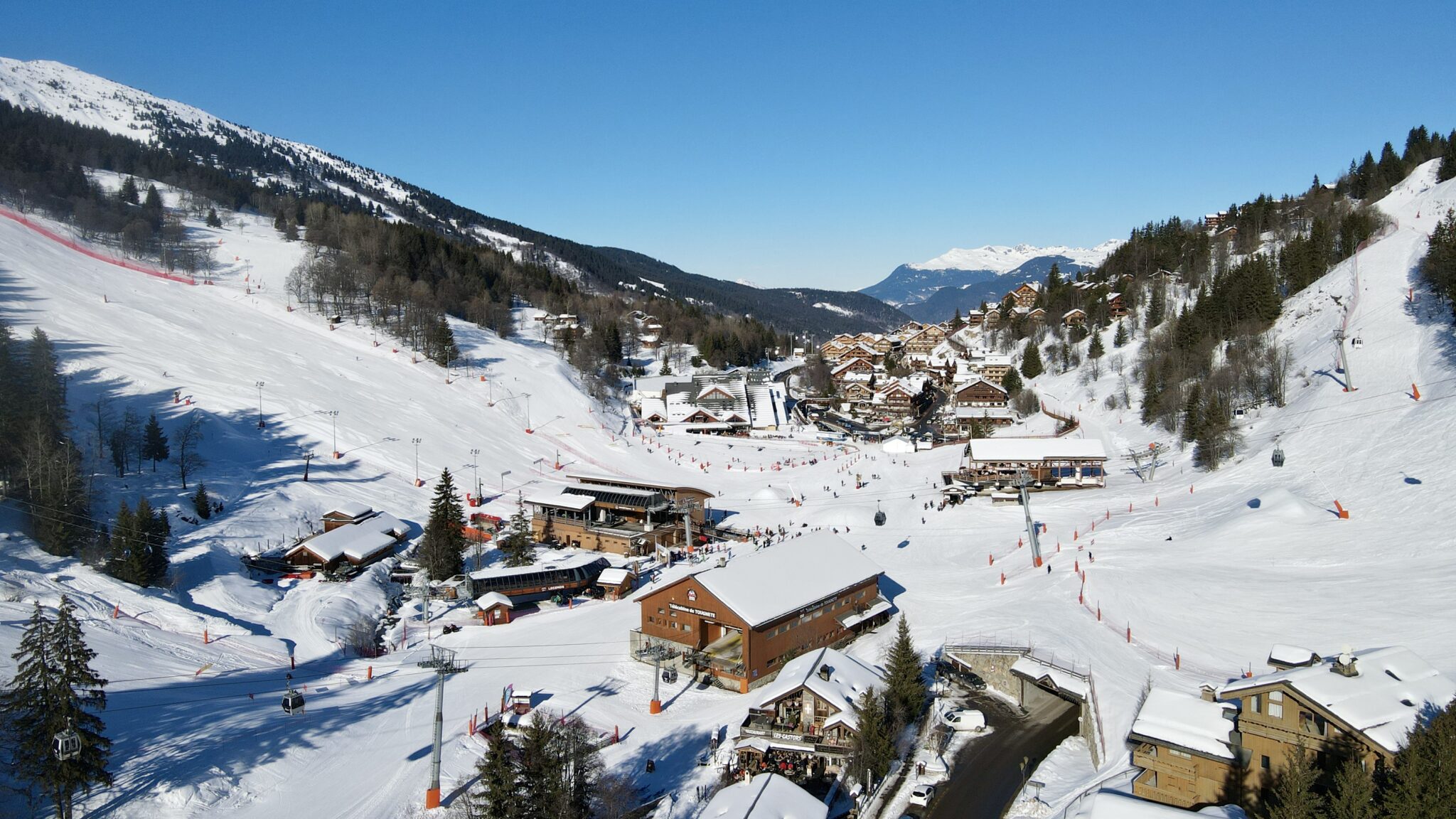
Le Praz (charming, woodsy; great restaurants), La Tania (in the trees; family-friendly), Village 1550 (practical hub below 1850), Moriond 1650 (sunny aspect, fun blues), 1850 (glossy heart beside the lifts). Fast crossings into Méribel and Saint-Martin make lunch anywhere easy; Orelle is a smart escape on busy weeks.

Val d’Isère’s pockets
Village Centre on the snow front (shops, bars, ski-school starts), plus La Daille (handy start/finish hub), Le Laisinant (quiet access), Le Fornet (1950 m, postcard-pretty and high/cold snow). Use the free shuttle to start away from the crowds and ski back to town.
Two simple day plans
Courchevel best-of-both
From 1850, ride Saulire for views and morning laps; drop into Méribel for a change of scene, then long-lunch back in Courchevel (Le Cap Horn or Le Chalet des Pierres). Afternoon: La Tania/Le Praz trees for shelter and visibility, or a foray to Orelle for quiet pistes before gliding home.
Val d’Isère high-and-cold
Warm up on Bellevarde, roam into Tignes for broad reds before lunch, then finish higher over Le Fornet where the snow stays crisp. Storm strategy: use La Daille’s gondola/funicular side and the lower Fornet/Laisinant groves for what limited tree cover there is, then download if La Face chops up.
Dining highlights (book these first)
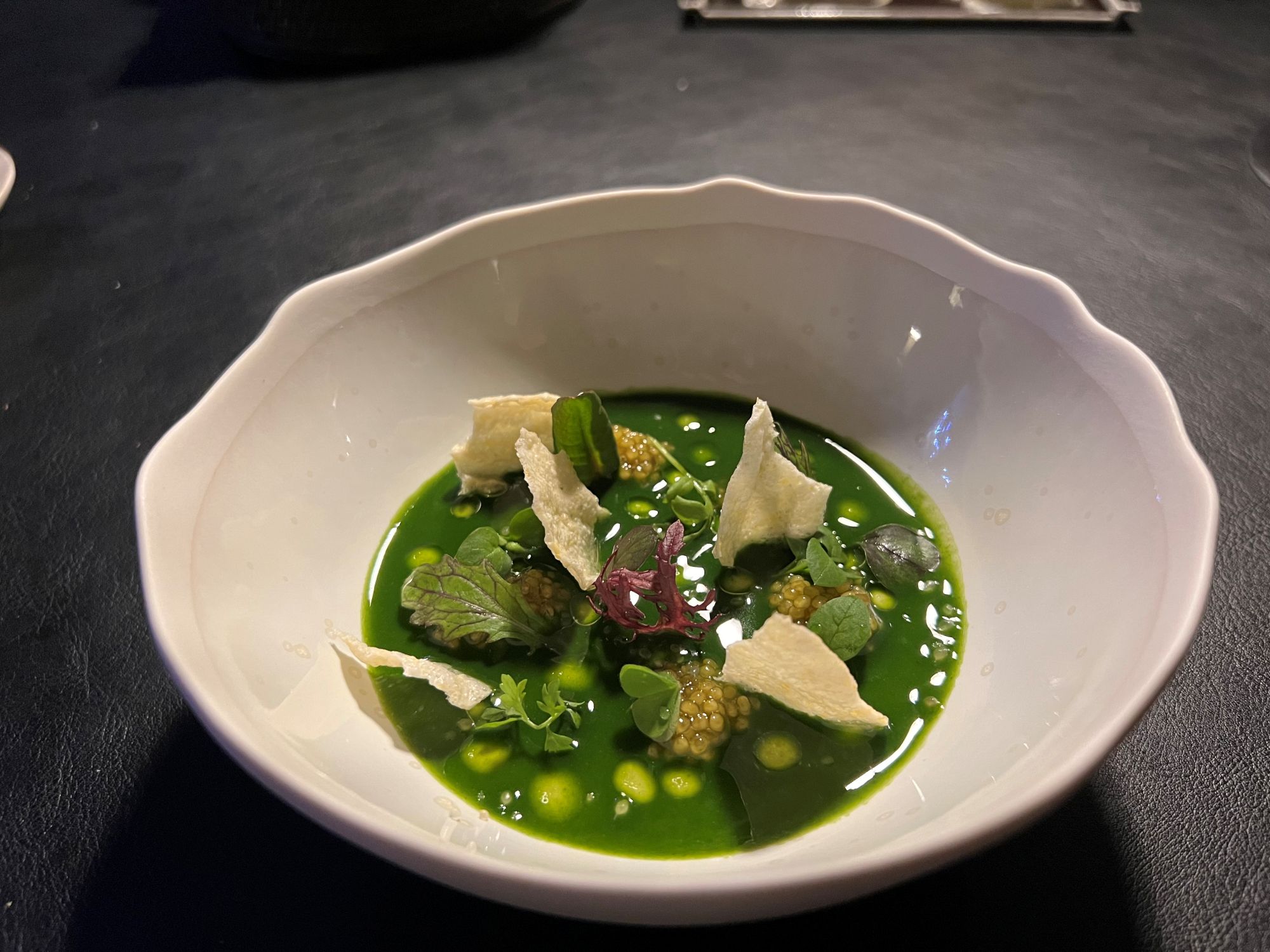
Courchevel (on-mountain): Le Cap Horn, Le Chalet des Pierres, a Cave des Creux, Le Base Kamp (Le K2 Altitude), La Soucoupe
Val d’Isère (on-mountain): La Peau de Vache (Face de Bellevarde), La Fruitière (La Daille side), Le Signal (above Le Fornet).
Val d’Isère in-village: La Luge at Le Blizzard; La Table de l’Ours at Les Barmes; relaxed favourites Le Garage and La Baraque.
Tip: February dinners and bluebird lunches fill fast—reserve before you fly.
Where to stay (high-end snapshot)
Courchevel
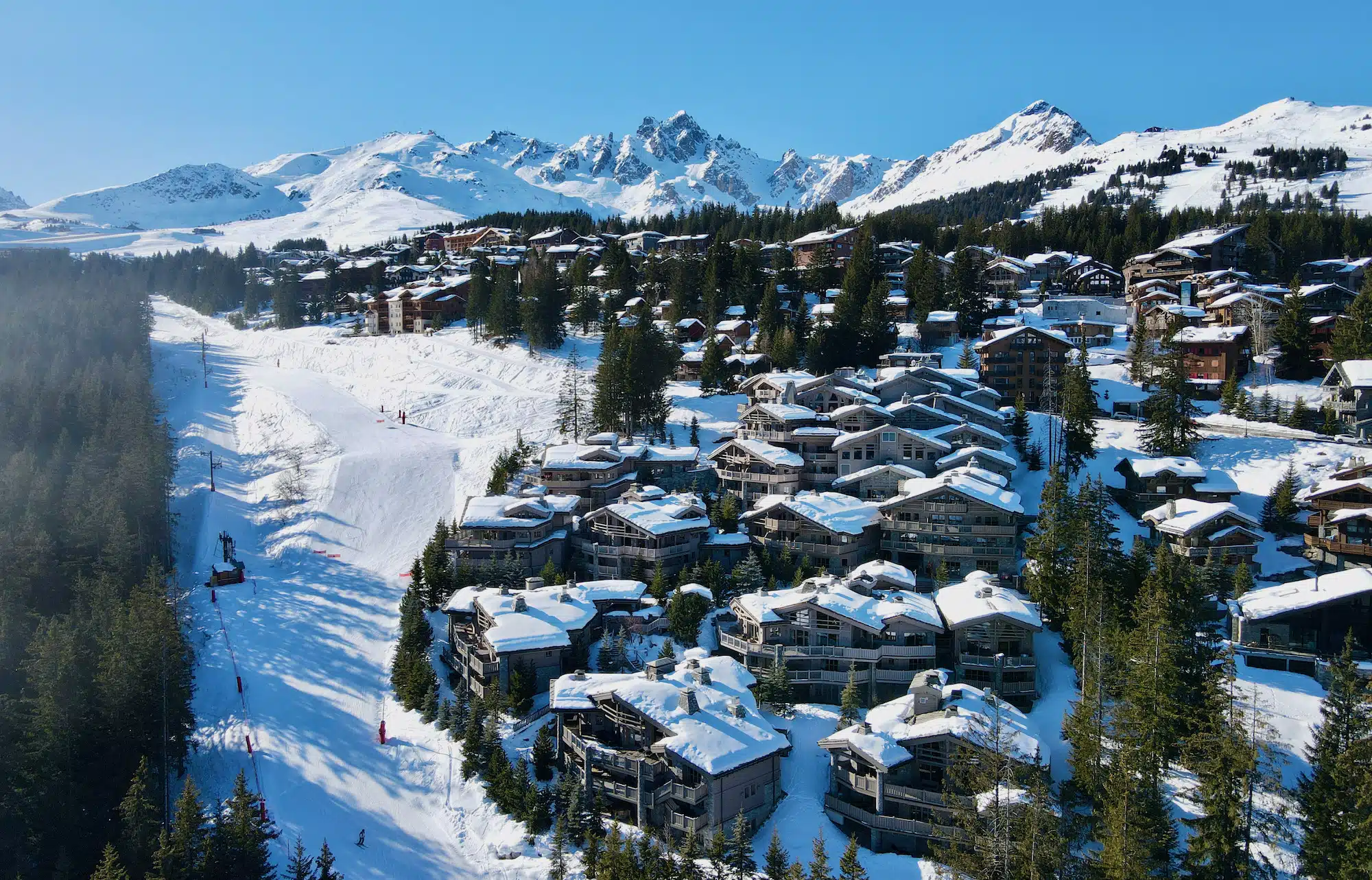
Palace-level hotels beside the lifts, premium residences for space + service, and the world’s leading chalet stock—think pools, spas, cinemas and driver service with true ski-in/ski-out. We’ll match you to the right village and address for your group.
Val d’Isère
Five-star locations on the snow front (Airelles Val d’Isère, Le Blizzard, Les Barmes de l’Ours, Le K2 Chogori), plus design-led, ski-in/ski-out residences such as Vail Lodge and Silverstone Lodge. Catered chalets like Lhotse, Marco Polo, Le Rocher, Inoko and Machapuchare are our go-tos when only the best will do.
Practical pointers
- Be at the first lift for two quiet laps before the flow builds.
- Courchevel day flow: 09:00–10:15 warm-up on Verdons → Vizelle or Chenus. Cross Col de la Loze before 10:30 to avoid the mid-morning bottleneck at Saulire/Vizelle; take a Méribel lap, lunch back in Courchevel (Le Cap Horn or Le Chalet des Pierres), then 13:00–15:00 head to 1650 (Ariondaz → Chapelets) for sunny, quieter groomers. If light fades, finish in the La Tania/Le Praz trees.
- Bad-weather plan (Courchevel): Work the trees in La Tania/Le Praz—lap La Tania gondola, Bouc Blanc, Folyères, Plantrey—for shelter and visibility; use gondolas back to 1850 if wind picks up.
- Val d’Isère start smart: Use the free shuttle to La Daille or Le Fornet to spread the load on busy mornings, then ski back to the centre.
- Book a private instructor/guide: you’ll get lift-priority/express lane access, smarter routing to the best snow, restaurant bookings handled, and a seamless, local, hassle-free day—especially valuable in peak weeks. For families, central bases near ski-school starts simplify mornings.
- With beginners, plan blue/green home runs in Courchevel; in Val d’Isère, consider downloading from Bellevarde/Solaise on choppy afternoons.
- Mountain restaurant bookings: reserve days to weeks in advance, especially Christmas/New Year and French school holidays (approx. 7 Feb–7 Mar 2026). If you missed out, aim for early (11:45–12:15) or late (after 14:15) sittings and ask your instructor/concierge to work their contacts.
Travel notes
Fly into Geneva or Lyon; rail travellers go to Bourg-Saint-Maurice for Val d’Isere & Moutiers for Courchevel then continue by private transfer.
Who to book with
Top Snow Travel are France-only ski specialists (Finalist — World’s Best Ski Travel Agent to France 2025). They’ll place you in the right resort, village pocket and property, then line up private transfers, lodging, lift passes, rentals, private guides & lessons.
Talk to an expert.