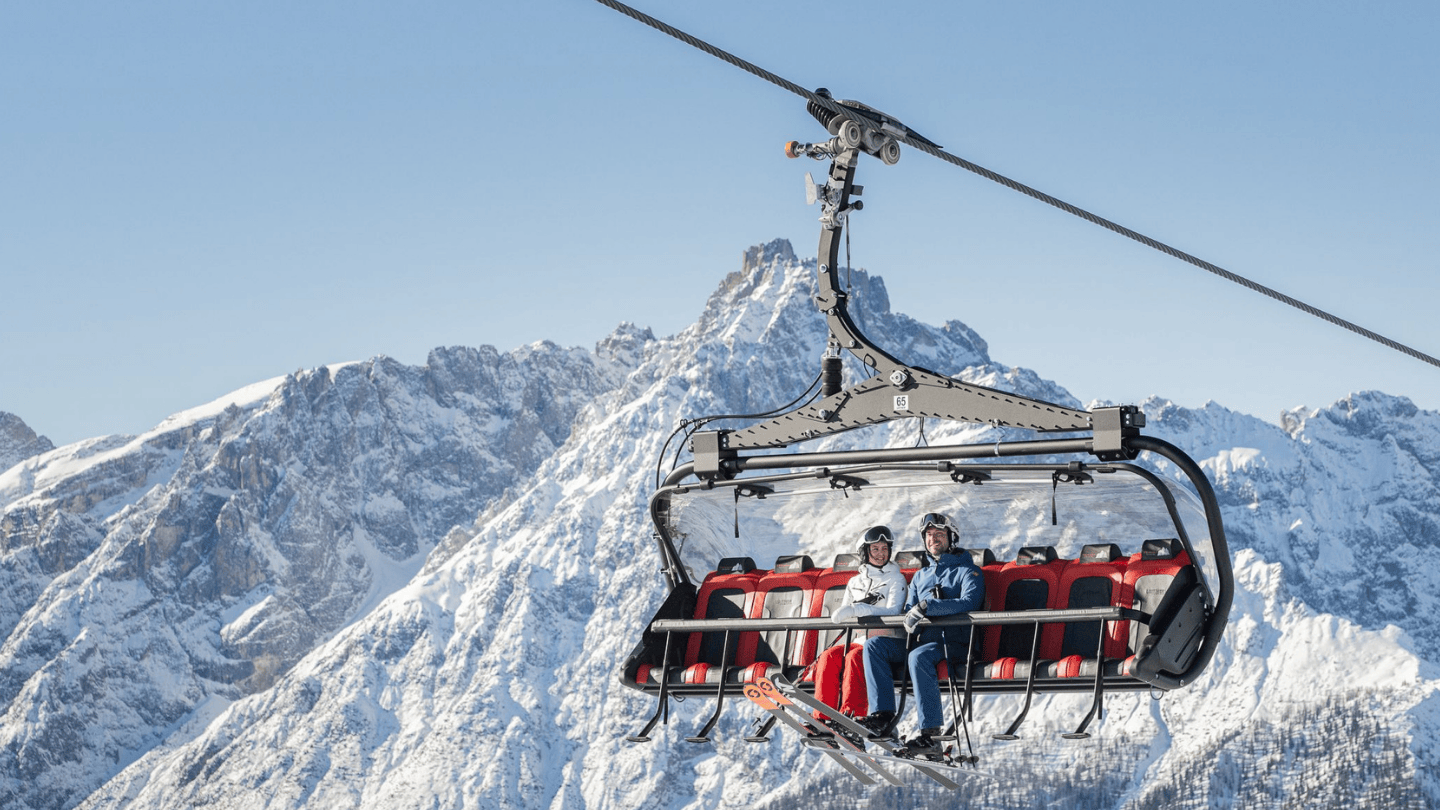
If you’re asking for the best time to go skiing in Italy, I’ll start with this: a ski holiday in Italy is never just about the skiing. It’s the whole Italian experience – espresso stops in the sun, long lunches in mountain rifugi, friendly locals who always “find a solution,” and scenery that changes with every turn.
Many Australian travellers come to Rome, Florence, and Venice, then discover they can add a week on the snow for winter sports. And once they do, they come back smiling: great food, warm people, and an easy, laid-back rhythm that makes a ski trip the complete experience of their Italian holiday…
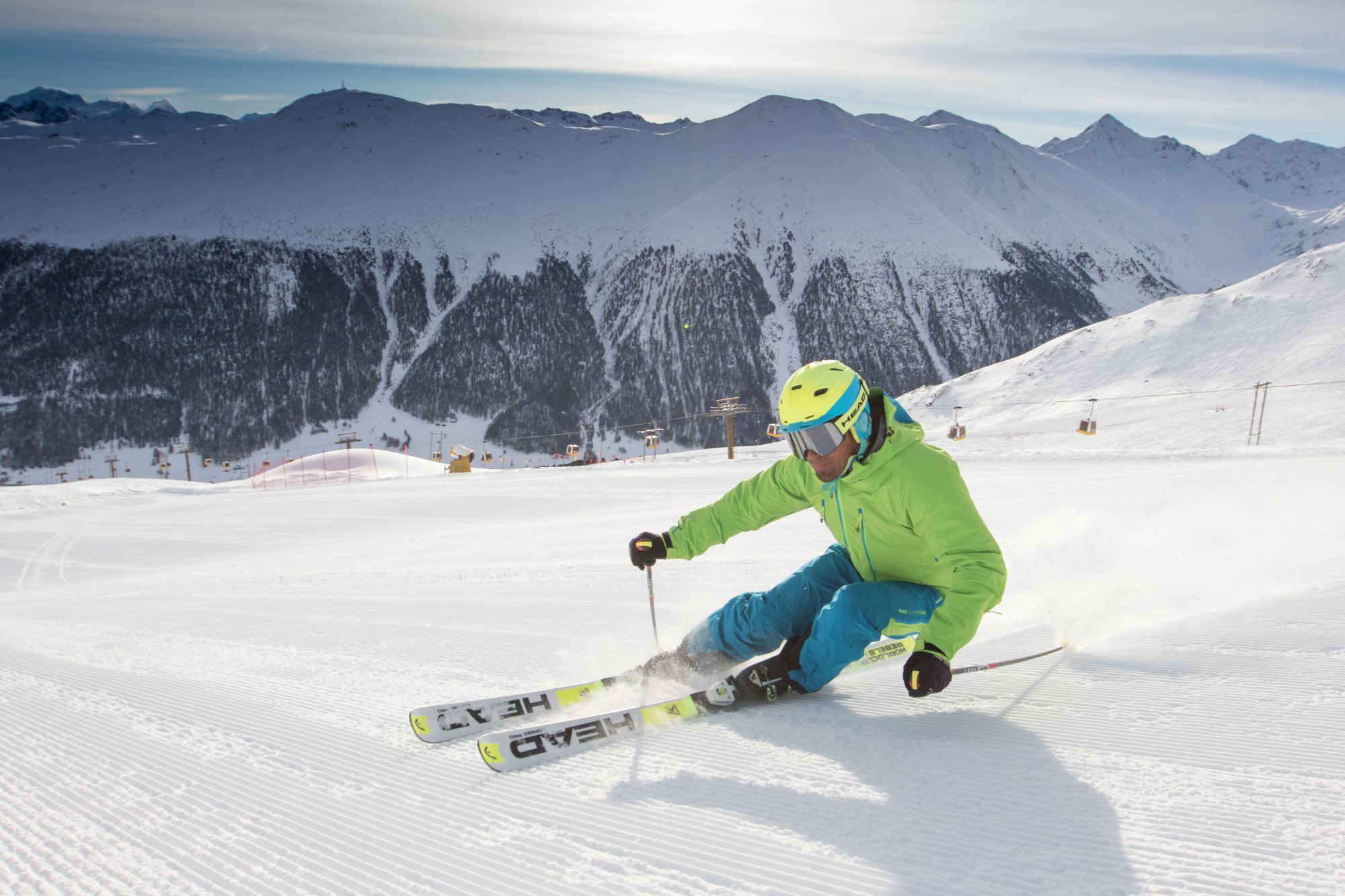
In this guide, Ski Italy shares how Australian families should plan their Italian Alps and Dolomites holidays: when the best time to ski truly is (and when to avoid), and which Italian ski resorts suit beginners, intermediates, advanced skiers and snowboarders. You’ll also find two quick comparison tables to help you discover the best resorts for your style, snow and schedule. Let’s dive in!
Discover the Best Ski Resorts in the Italian Alps and Dolomites
The Dolomites ski resorts and Italian Alps offer incredible variety – from charming family villages to high-altitude playgrounds. The secret isn’t just picking a ski resort; it’s finding the one that fits your rhythm.
What Makes Each Ski Area Unique
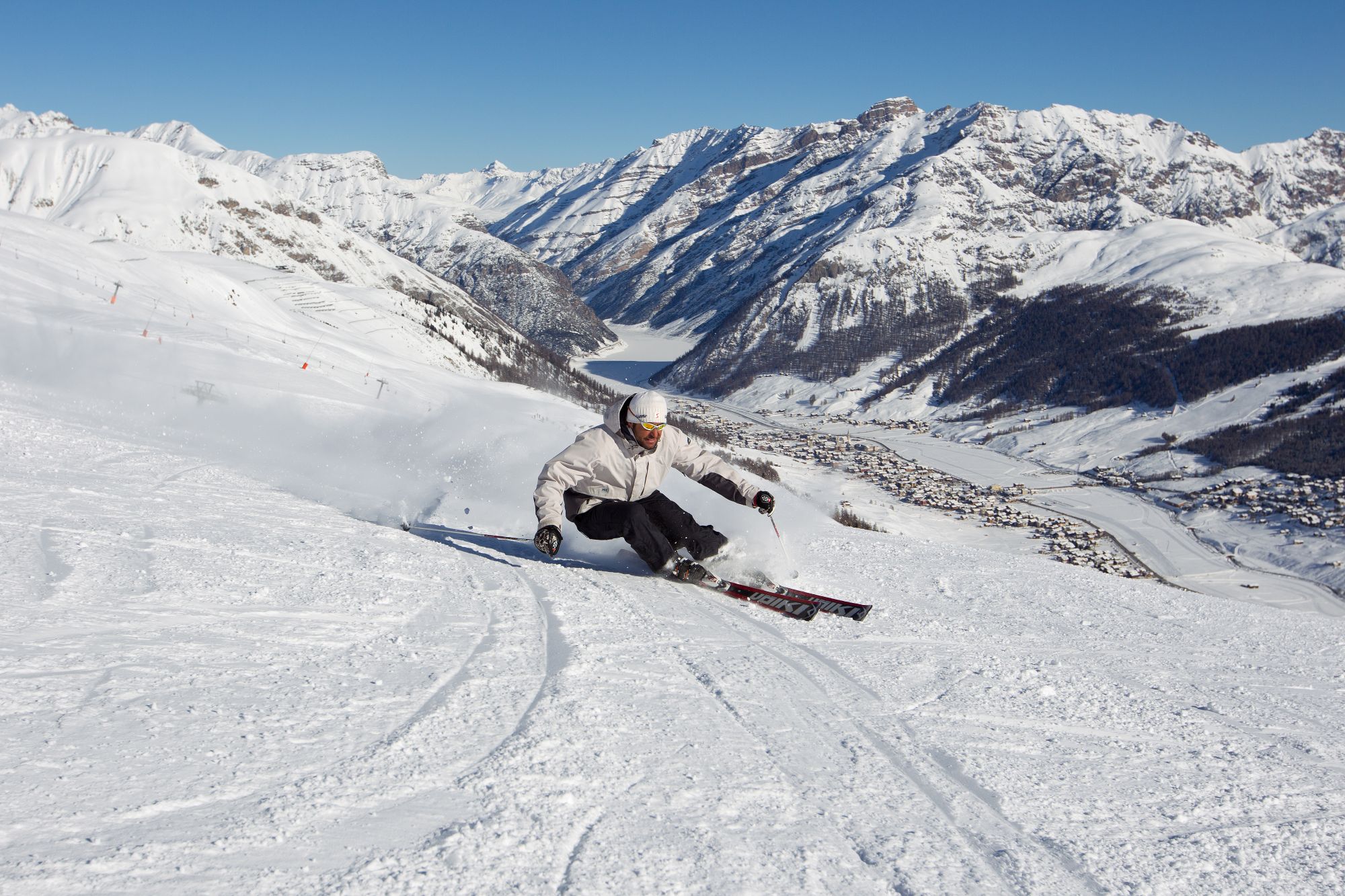
- Livigno (village ~1,800 m, lifts up to 3,000 m): one of the most comfortable ski destinations for both early and late season. It’s cold, high, and once the snow settles, it stays. It’s fantastic for mixed groups (skiers + snowboarders) and very practical for families.
Discover more about skiing in Livigno. - Bormio (village ~1,225 m; lifts up to 3,000 m): a smaller but excellent skiing area, ideal for spring skiing conditions. Perfect for travellers who like a medieval village, thermal spas and a slower pace.
Discover more about skiing in Bormio. - Madonna di Campiglio: about 150 kilometres of ski runs, a stylish village, and popular among Australians because it’s part of the one Epic ski pass network.
Discover more about skiing in Madonna di Campiglio. - Sellaronda (Dolomites): the heart of the Dolomites — famous for its circular circuit linking Selva, Corvara, Arabba and Canazei. It’s a perfect ski experience: long runs, mid-morning coffees, scenic lunches and warm afternoon light.
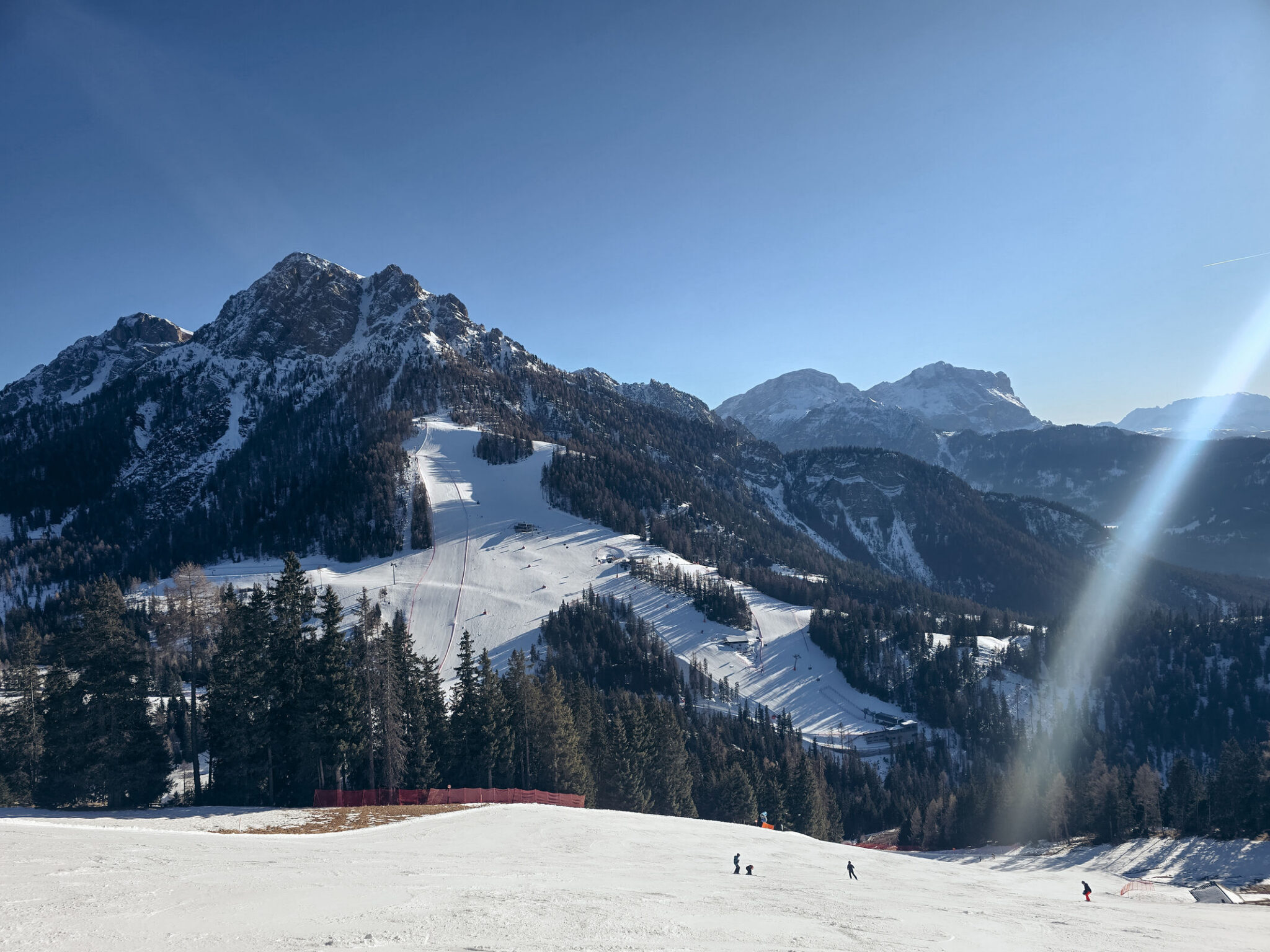
Discover more about skiing in Sella Ronda. - Drei Zinnen Dolomites: named after the three iconic and highly recognisable peaks (Cima Grande, Cima Piccola and Cima Ovest) towering over the charming villages of Sesto, San Candido/ Innichen and Versciaco. A true jewel yet to be discovered by the Australian skiers.
Family Snapshot — Which Italian Ski Area Fits Your Crew?
| Ski Resort / Area | Family-friendliness | Snowboarders | Best Months (snow + vibe) |
| Livigno (Alps) | Great for families; ski schools and beginner areas in the village | Board-friendly ski resort with great snowparks near the Swiss border | From early Dec through to the end of the season in late April |
| Madonna di Campiglio (Alps & Brenta Dolomites) | Great for families and mixed-ability groups | Great snowparks popular with boarders | Jan (after 6th) – mid Mar |
| Sella Ronda (Dolomites) | For group of friends and families with stamina | Few traverses = less ideal for boarders | Jan (after 6th) through to mid Mar (avoid late Mar) |
| Bormio (Alps) | Relaxed rhythm, Historic vibe | Board-friendly ski area | Jan – Mar (good late-season snow conditions) |
| Drei Zinnen (Dolomities) | Great for families with young children; accommodation with kids programs; ideal for mixed groups looking for long days and easy back-to base | Few traverses = less ideal for boarders | Jan (after 6th) through to mid Mar (avoid late Mar) |
Notes:
All resorts cater to a wide range of skier’s experience, from beginners to advanced.
Kids from about 3 can join ski school; daycare isn’t common.
Most hotels are flexible with early dinners and simple pasta for little ones even when not on the menu.
Understanding Italy’s Ski Season and the Best Time to Go Skiing
The ski season typically runs from late November or early December through mid-April, shifting slightly by altitude and snow conditions. A few high-altitude resorts may ski into May, but those are rare.
When the Snow and Ski Experience Are at Their Best
In recent years, snow conditions have been more reliable later in winter. While Christmas and New Year once promised good coverage, now February to mid-March offers the best snow conditions and most comfortable ski experience. Days are longer, temperatures stay cold enough, and sunshine softens the mood of the ski slopes.
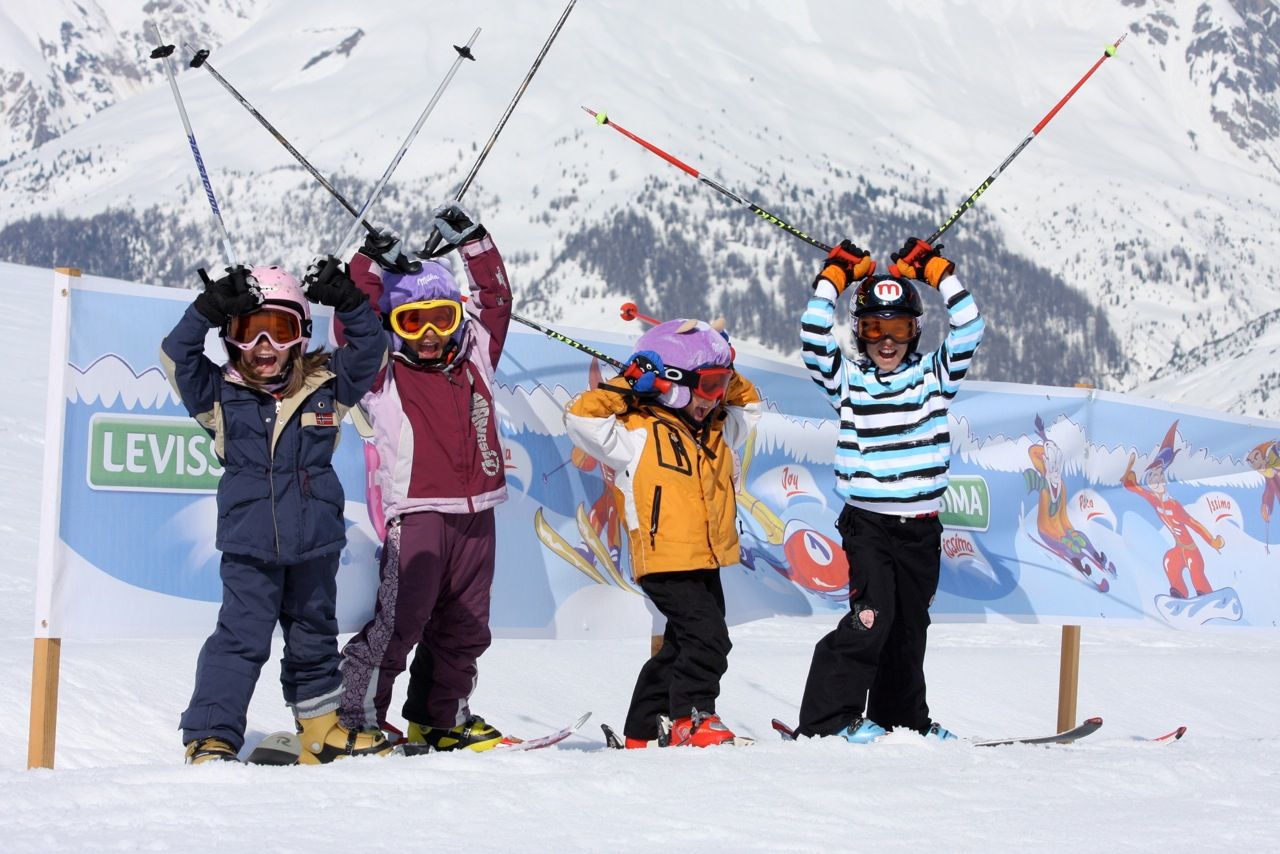
The season in the Dolomites tends to end a bit earlier than in higher Alpine resorts like Livigno or Bormio, which hold their snow longer into spring.
Family-Friendly Ski Holidays in Italy, Where to Stay and When to Travel
Key Planning Tips for Families
- Sightsee first, ski last. It avoids the busiest Christmas–New Year period and positions you in Italy during peak snow time.
- Touch base with Ski Italy 13 months ahead. That’s the time to plan and match expectations, ski area preferences, and budgets.
- Book at least 10 months ahead. Many ski resorts in the Dolomites and Alps open bookings later, but this is your sweet spot.
- Altitude matters. Choose Bormio if you prefer sleeping at lower altitude, or Livigno if you want guaranteed, reliable snow early or late.
Accommodation comes first. Ski Italy can help with transfers, skipass, equipment rental, ski guiding and lessons. You decide how much or how little support you need for your holidays in the Dolomites or beyond.
The Tradition of Skiing in Italy
Take the Sellaronda as an example — you could ski the full circuit in three hours, but that’s not the Italian way. You should:
- Stop mid-morning for coffee.
- Enjoy a proper lunch at a rifugio.
- Finish with a hot chocolate or bombardino before heading home.
That rhythm — pause, enjoy, savour — is what makes skiing in Italy different from anywhere else. It’s part of the tradition of skiing here: social, scenic, and delicious. Even when plans change — a late train, a missed lesson — people stay calm. There’s always a solution.
Plan Your Next Ski Trip — When and Where to Go for Perfect Snow
Each month offers something special, and choosing the right time to go skiing depends on your goals.
Seasonal Overview
- Early Season (December) – festive but variable snow cover. Choose high-altitude resorts like Livigno.
- Peak Season (January–February) – after Jan 6, slopes are quieter; best time to ski for crisp weather and ideal snow. Avoid the busy Carnevale Week if you can.
- Spring (March–April) – the relaxed spring skiing window. Long lunches, soft light, and dependable snow in Bormio and Livigno.
Match Your Level to the Right Italian Ski Experience
| Level / Traveller | Recommended Periods | Recommended Areas | Why It Fits |
| Absolute Beginners | Mid Jan – mid Mar | Livigno, Madonna di Campiglio | Gentle ski slopes, easy mornings |
| Intermediates / Mileage Hunters | Mid Jan – mid Mar | Sellaronda (Dolomiti Superski), Drei Zinnen Dolomites (Dolomiti Superski) | Varied skiing itineraries, scenic circuits |
| Advanced | Mid Jan – mid March | Bormio, Livigno | Long challenging runs, strong snow cover |
| Snowboarders / Mixed Groups | Mid Jan – mid Mar | Livigno, Madonna di Campiglio | Terrain parks, wide ski areas |
| Late-Season Sun Lovers | Late Mar – Apr | Livigno, Bormio | High-altitude ski keeps snow conditions crisp |
Family-Friendly Ski Holidays in Italy — Where to Stay and When to Travel
Key Planning Tips for Families
- Sightsee first, ski last. It avoids the busiest Christmas–New Year period and positions you in Italy during peak snow time.
- Touch base with Ski Italy 13 months ahead. That’s the time to plan and match expectations, ski area preferences, and budgets.
- Book at least 10 months ahead. Many ski resorts in the Dolomites and Alps open bookings later, but this is your sweet spot.
Altitude matters. Choose Bormio if you prefer sleeping at lower altitude, or Livigno if you want guaranteed, reliable snow early or late.
Accommodation comes first. Then Ski Italy can help with transfers, skipass, equipment rental, ski guiding and lessons. You decide how much or how little support you need for your holidays in the Dolomites or beyond.
Skiing in the Italian Dolomites, Iconic Resorts and Local Experiences
If there’s one phrase that sums up skiing in the Italian Dolomites, it’s effortlessly beautiful. Here, resorts of the Dolomites like Corvara, Selva and Canazei are postcard-perfect, blending breathtaking scenery with world-class grooming and that unmistakable Italian hospitality.
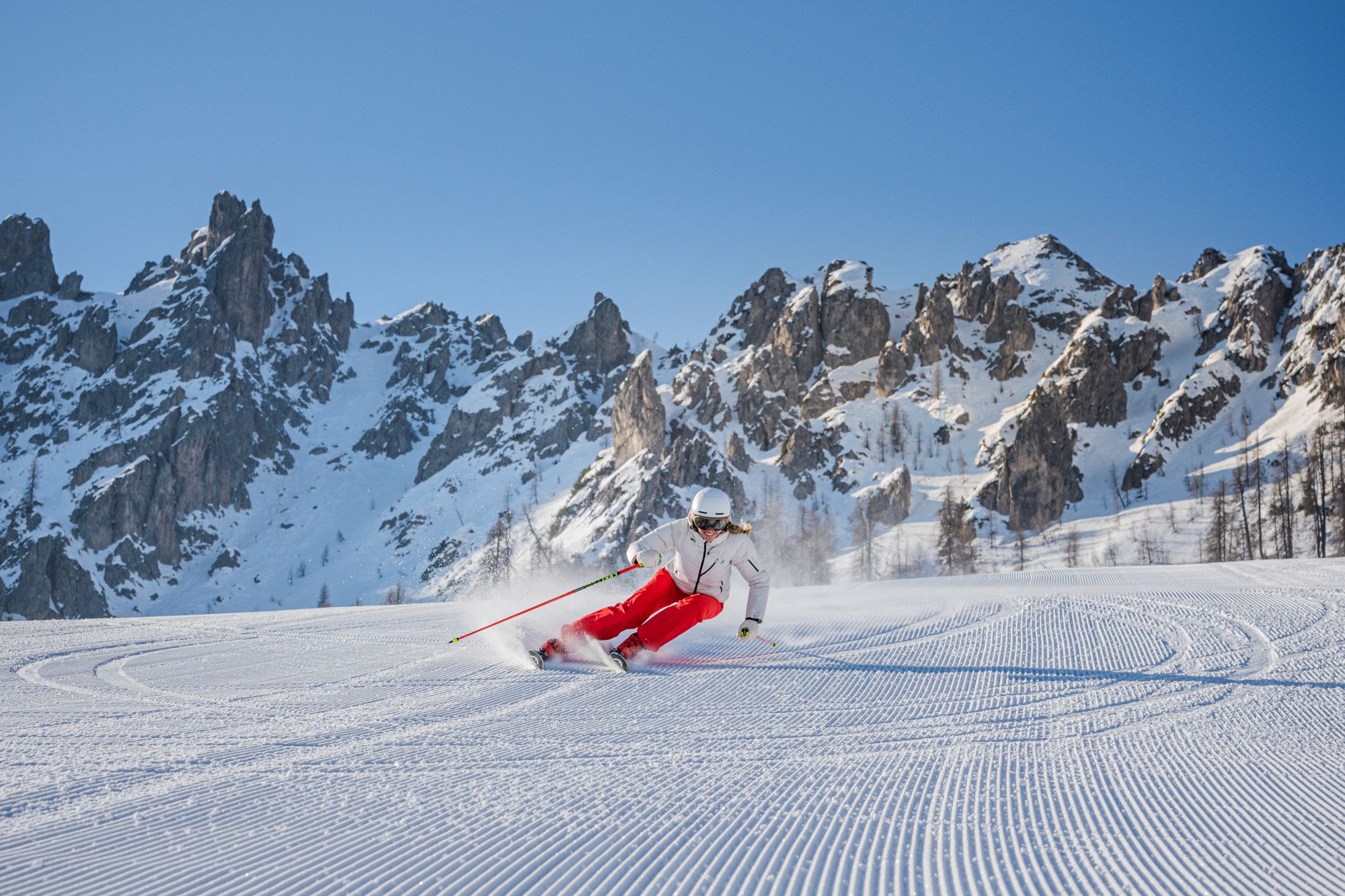
Take the Sellaronda as an example — you could ski the full circuit in three hours, but that’s not the Italian way. I always tell skiers to stop mid-morning for coffee, enjoy a proper lunch at a rifugio and finish with a hot chocolate or bombardino before heading home.
That rhythm — pause, enjoy, savour — is what makes skiing in Italy different from anywhere else. It’s part of the tradition of skiing here: social, scenic, and delicious. Even when plans change — a late train, a missed lesson — people stay calm. There’s always a solution.
Your Italian Ski Adventure Awaits
So in summary:
- If you have flexibility, it’s almost always recommended to go early February to mid-March — the best time to go skiing in Italy.
- The peak season brings the best snow, longer days, and the most enjoyable rhythm on the slopes.
- For spring skiing, choose Livigno or Bormio.
- For those dreaming of ski resorts in the Dolomites, aim for February into early March.
- If your timing is limited to December/ early January, the start of the ski season, go high — altitude wins.
After 2 decades of Ski Italy organising ski holidays, no one ever comes back disappointed. In fact, most travelers tell them it’s the mix of European ski quality with Italian charm that surprises them most — great snow, great food, and genuine warmth. After all, the Italian Alps are the sunny side of the mountains.
Get in touch through Ski Italy to book your next ski holiday. Because Italy really is the sunny side of the Alps — and nobody comes back disappointed.