Fitness for Skiing: How Sam Tait Trains for the Snow Season
2 x Winter Paralympian Sam Tait shares the exercises that power his performance on the mountain
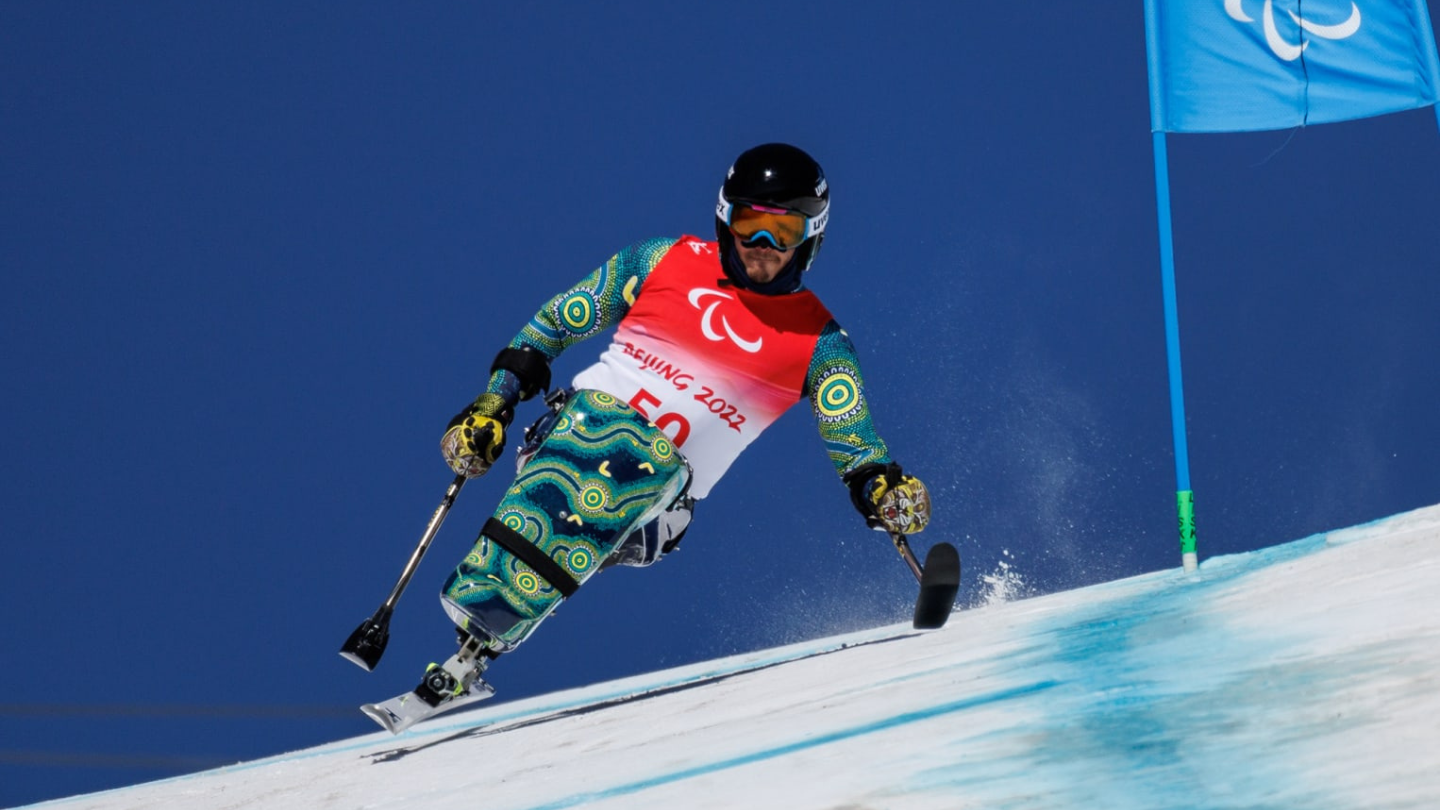
Training for the snow season is serious business, especially when you’re a sit skier. For 2 x Winter Paralympian Sam Tait, performance starts in the gym. His tailored strength program builds the power, stability, and endurance needed to handle high speeds, rough terrain, and long days on the slopes. Here’s how he does it.
I live for the snow season, and every year I dedicate myself to being as prepared as possible for the demands of sit skiing. The gym is where it all starts. It’s where I build the strength, stability, and endurance I need to perform at my best on the mountain.
For me, skiing isn’t just a hobby – it’s a passion. And as a sit skier, the way I prepare for snow season is a little different than most. Being in a wheelchair doesn’t hold me back, but it does mean I have to be smart, focused, and intentional with training.
Sit skiing is a full-body sport. It demands power, endurance, stability, and control, especially through the core and upper body. Every turn, every carve, every bump on the mountain asks something of my body. That’s why my gym program is designed to make sure I’m ready when the snow starts falling. Here are a few of the exercises that are staples in my training – and why they matter so much for skiing.
Weighted Dips
This is my go-to for upper body strength. Dips keep my shoulders solid and my arms strong, which is essential when I’m out on the slopes. Sit skiing puts a ton of pressure on the shoulders and triceps – from pushing my chair to handling the outriggers on the snow – and weighted dips help me stay in control and injury-free.

ISO Hold Incline Bench Press
This one might look like a chest exercise, but for me, it’s all about the core. Holding the incline bench press at the top position forces my core to lock in tight – just like it needs to do on the mountain when I’m absorbing terrain and shifting my weight. It trains stability and control under pressure, which is what sit skiing demands.

Bench Pull
My back strength is non-negotiable. The bench pull helps keep my upper and lower back strong and resilient. When I’m sit skiing, I rely heavily on my back muscles for balance, posture, and endurance.

Ab Rollouts
Ask any sit skier what their most-used muscle is, and they’ll probably say the same thing I do: the core. Ab rollouts hit every part of the core – abs, obliques, and stabilizers in one powerful move. This exercise helps me stay stable and agile in my sit ski, especially when navigating technical terrain or high speeds.
Ready to Train Like You Mean It?
Whether you’re an adaptive athlete, a sit skier, or just chasing real, functional strength – I hope my training can inspire yours. Follow my journey @samtait_7 or reach out if you’re looking to build a program that works for your body and your goals. Let’s redefine limits, one rep at a time.