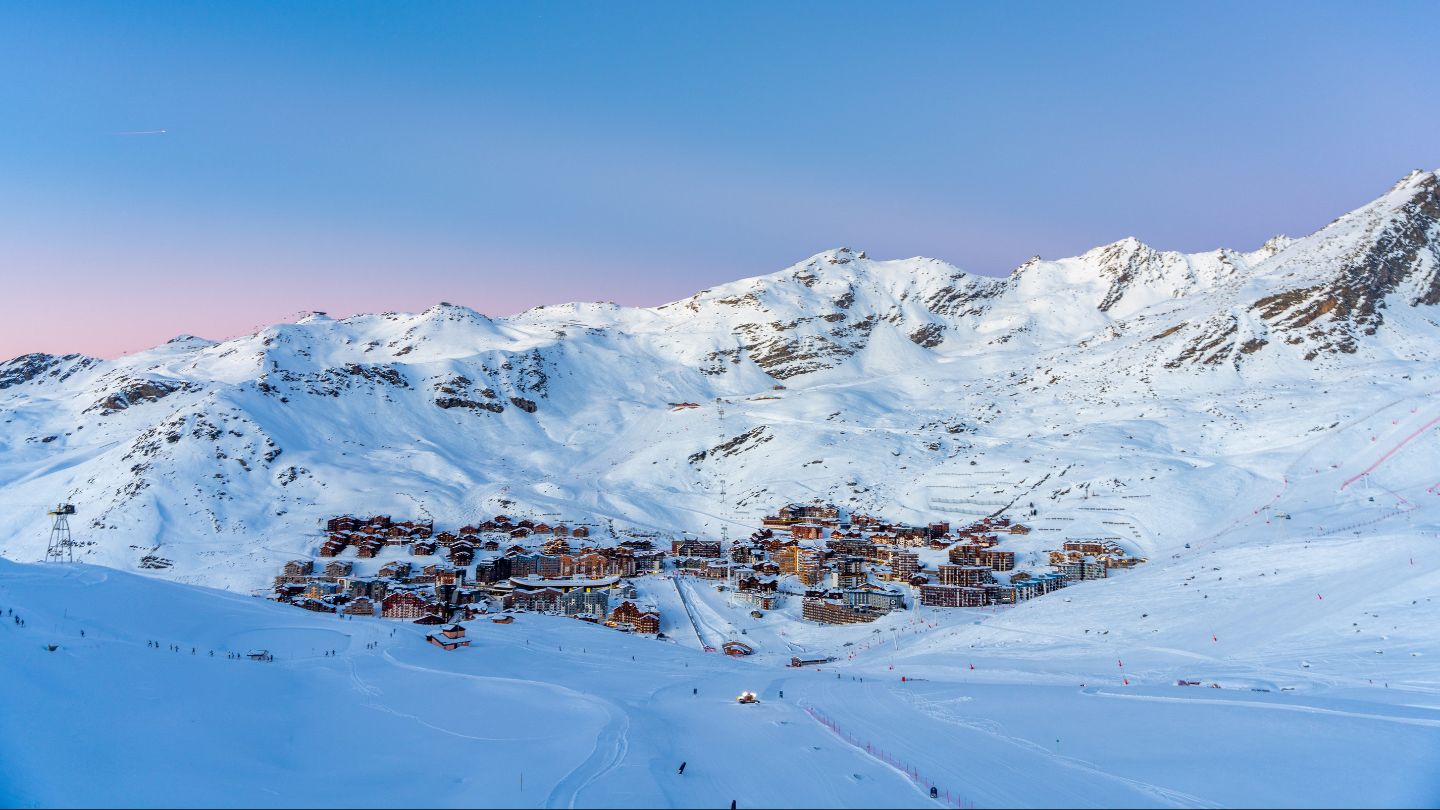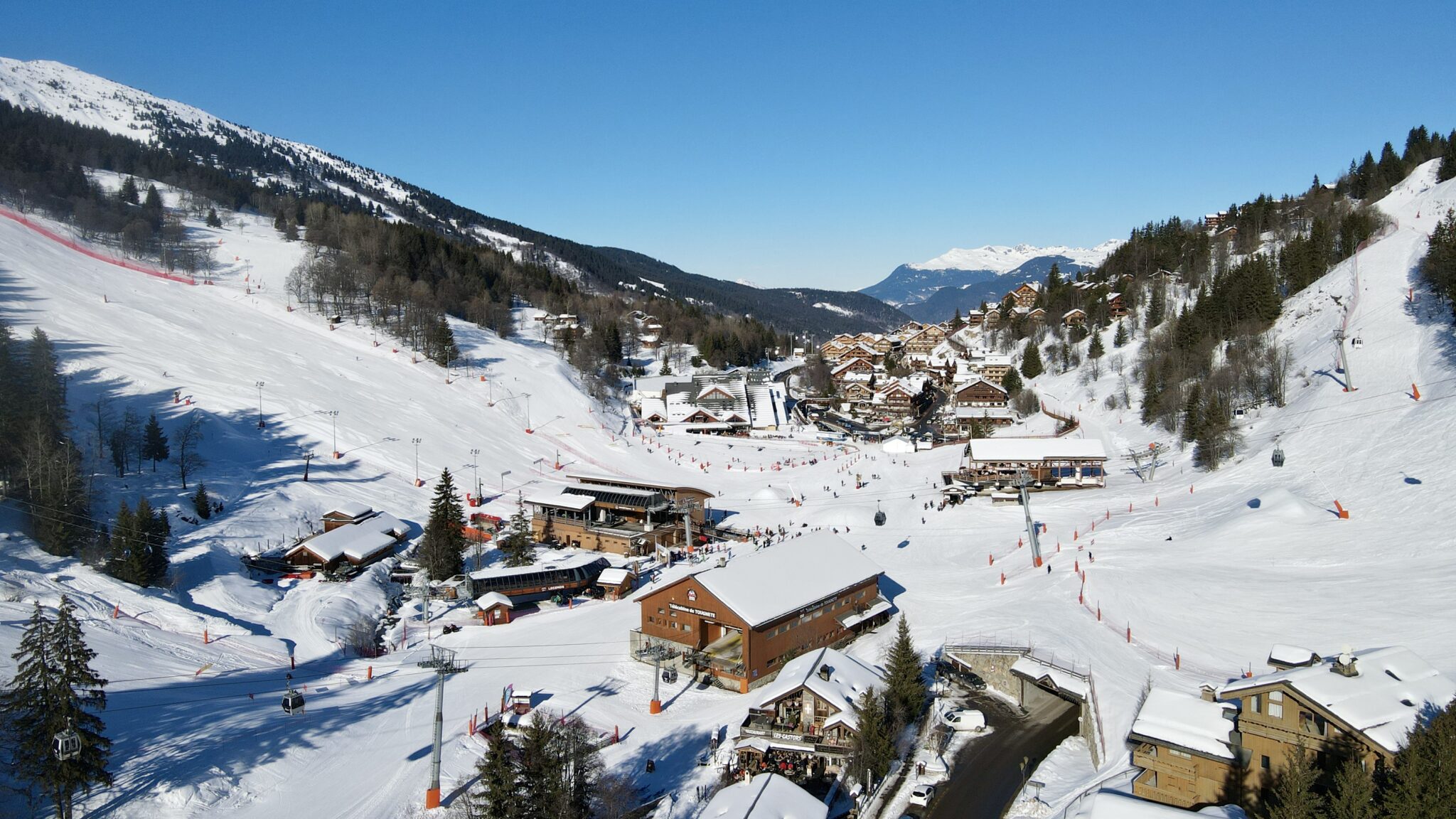
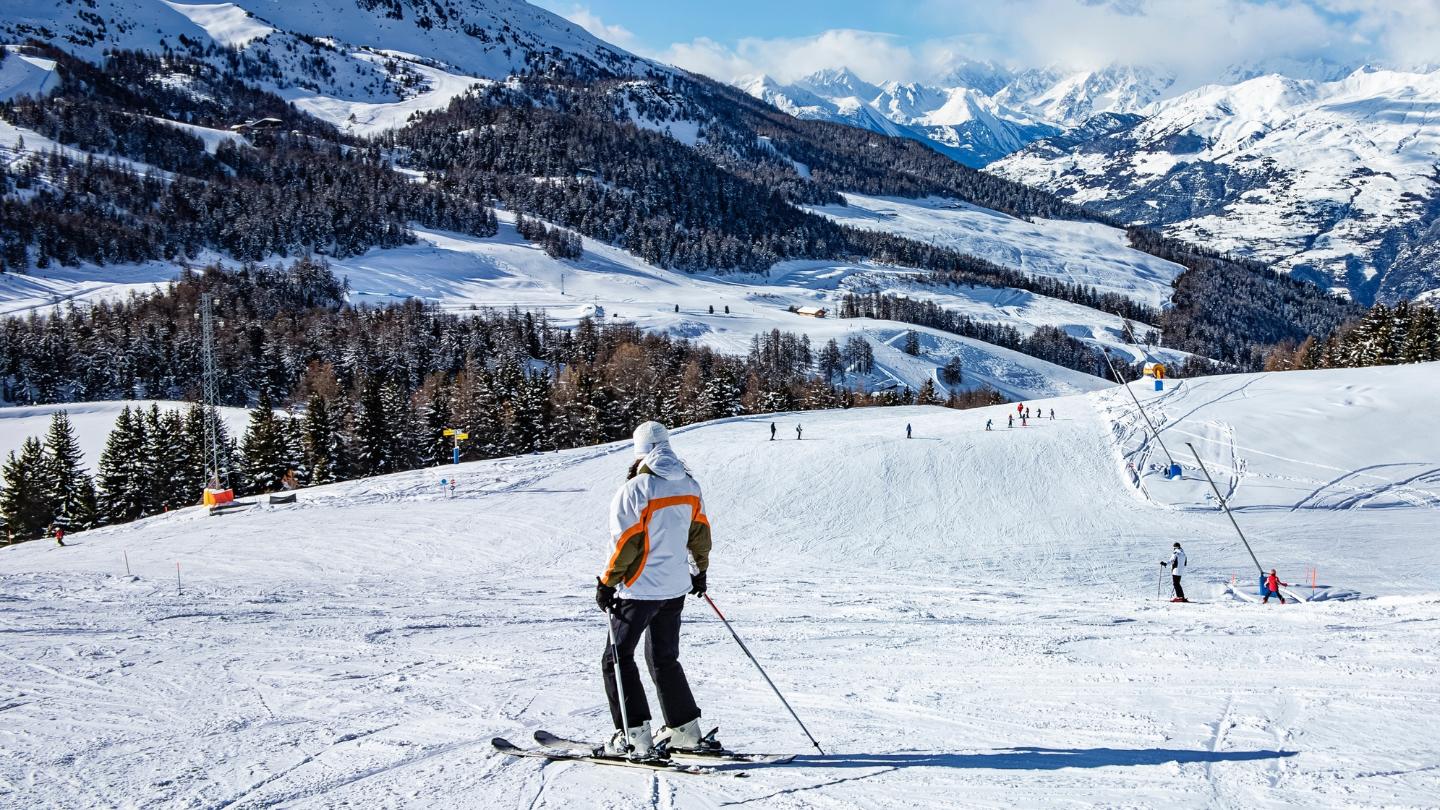
As one of Europe’s premier winter destinations, France operates ski resorts at a scale best understood from an elevated vantage point across multiple valley-wide lift networks. From purpose-built high-altitude stations to traditional Savoyard villages with weekly markets and stone churches, there’s real variety between regions.
A French Alps ski trip is easy to arrange, provided some initial planning is in place. Knowing which valley links to where, when queues build up, and how the weather behaves at 1,800 metres versus 3,200 metres improves the overall experience. For international travellers heading to Europe, it’s about making the long journey count once boots hit snow and absorbing the unique Alpine culture.
Top Regions for High-Altitude Skiing
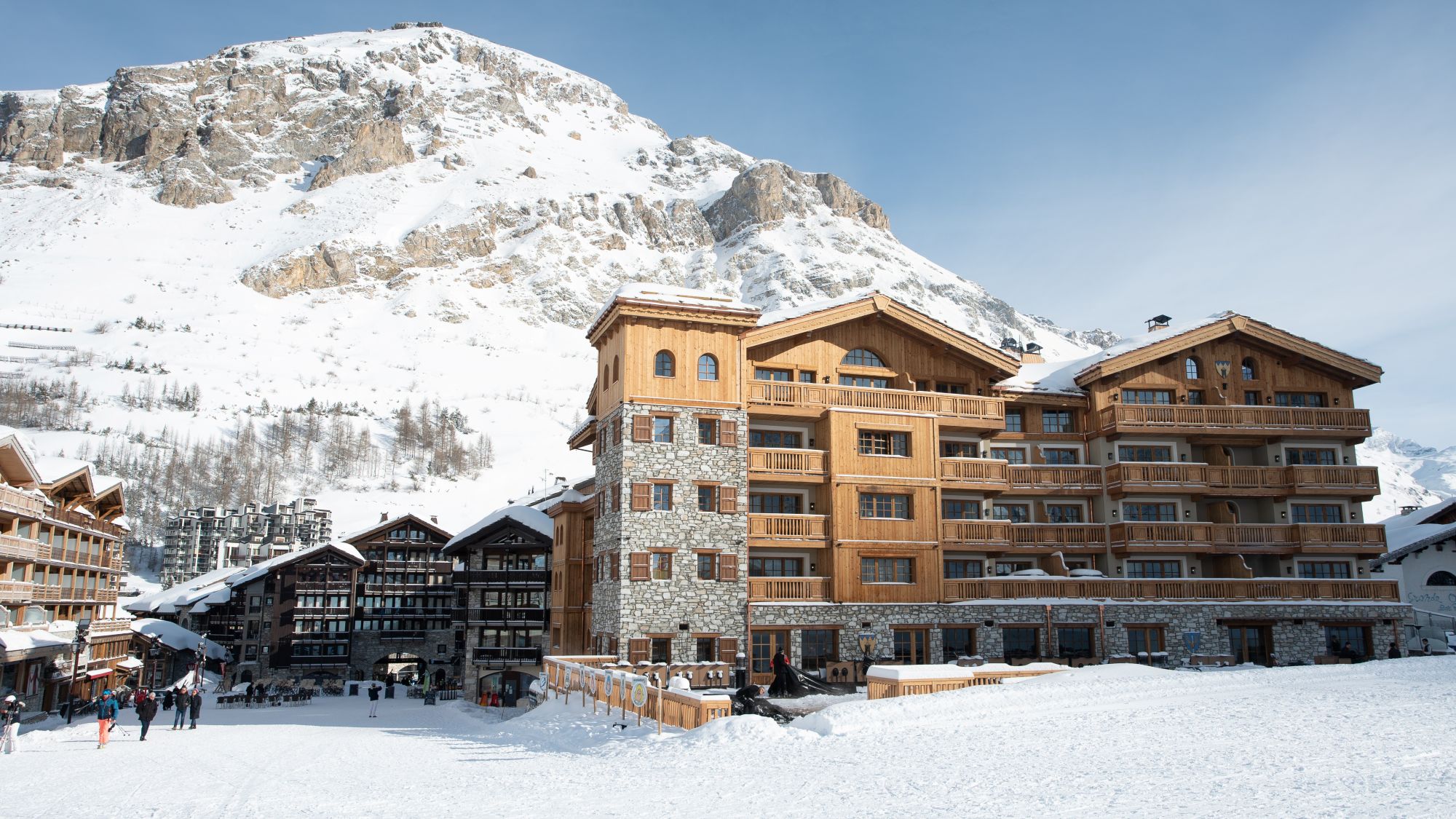
For reliable snow and long seasons, most experienced skiers look straight to the big Alpine domains. Les Trois Vallées is the obvious starting point. Based around Courchevel, Méribel, and Val Thorens, it stretches across multiple valleys, and much of the terrain sits above 2,000 metres. Val Thorens, at 2,300 metres, tends to hold snow well into April. Courchevel 1850 has some of the most scenic luxury ski chalets in France, particularly around the Bellecôte piste, where ski-in access extends close to the entrance.
Further south-east, Val d’Isère links with Tignes in the Espace Killy area. The Face de Bellevarde run, visible from the main village square, is steep and usually busy mid-morning. Walking through the old village area near the church, away from the main roundabout, gives a better sense of the place.
Chamonix operates on a different model. It’s not a single bowl of pistes but a collection of separate ski areas spread along the valley. The Grands Montets sector draws stronger skiers, especially after fresh snowfall. The town itself remains active year-round. Rue du Docteur Paccard gets crowded in the evenings; better food options tend to sit a street or two back towards the river.
Understanding the Interconnected Lift Systems
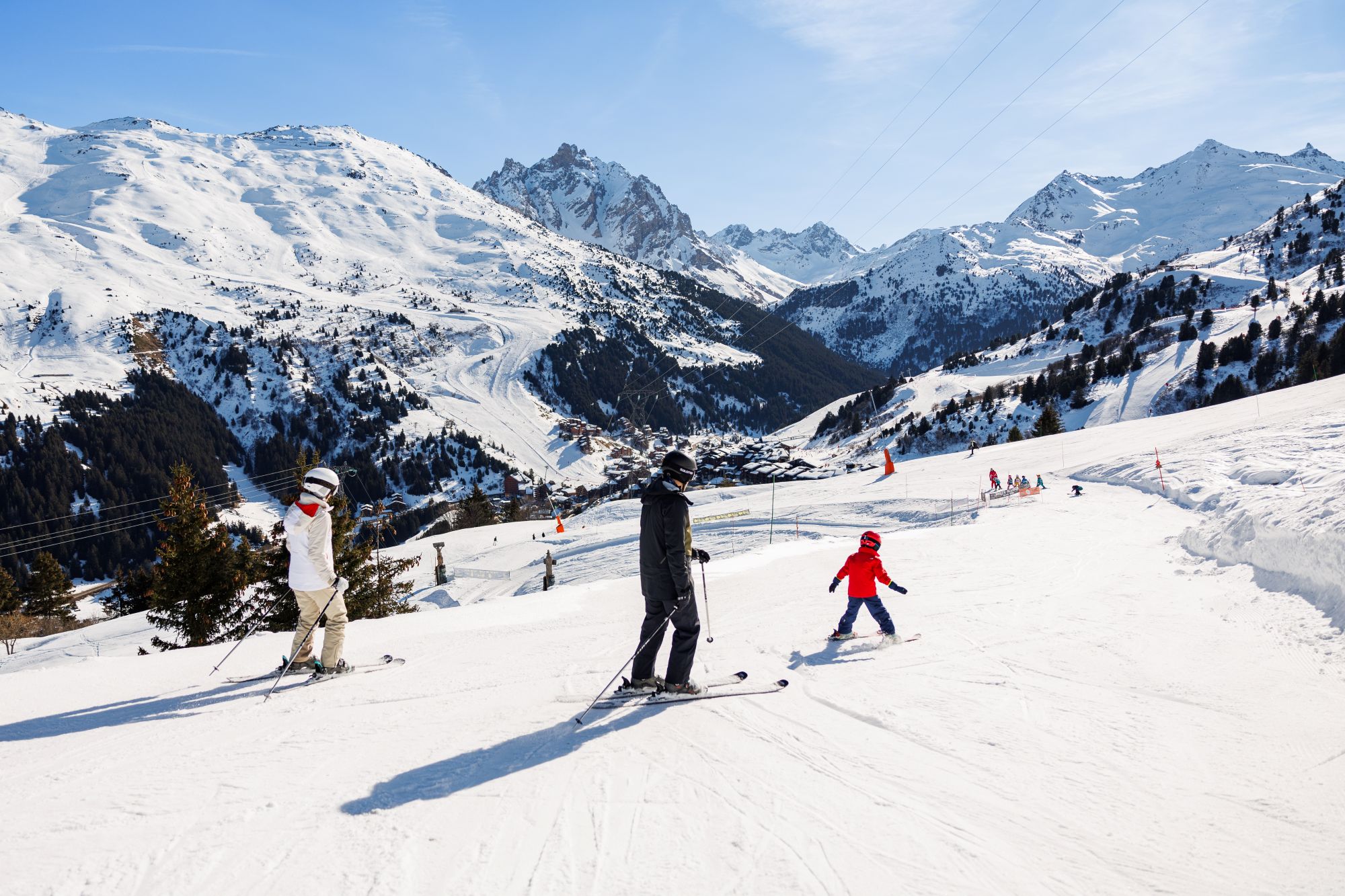
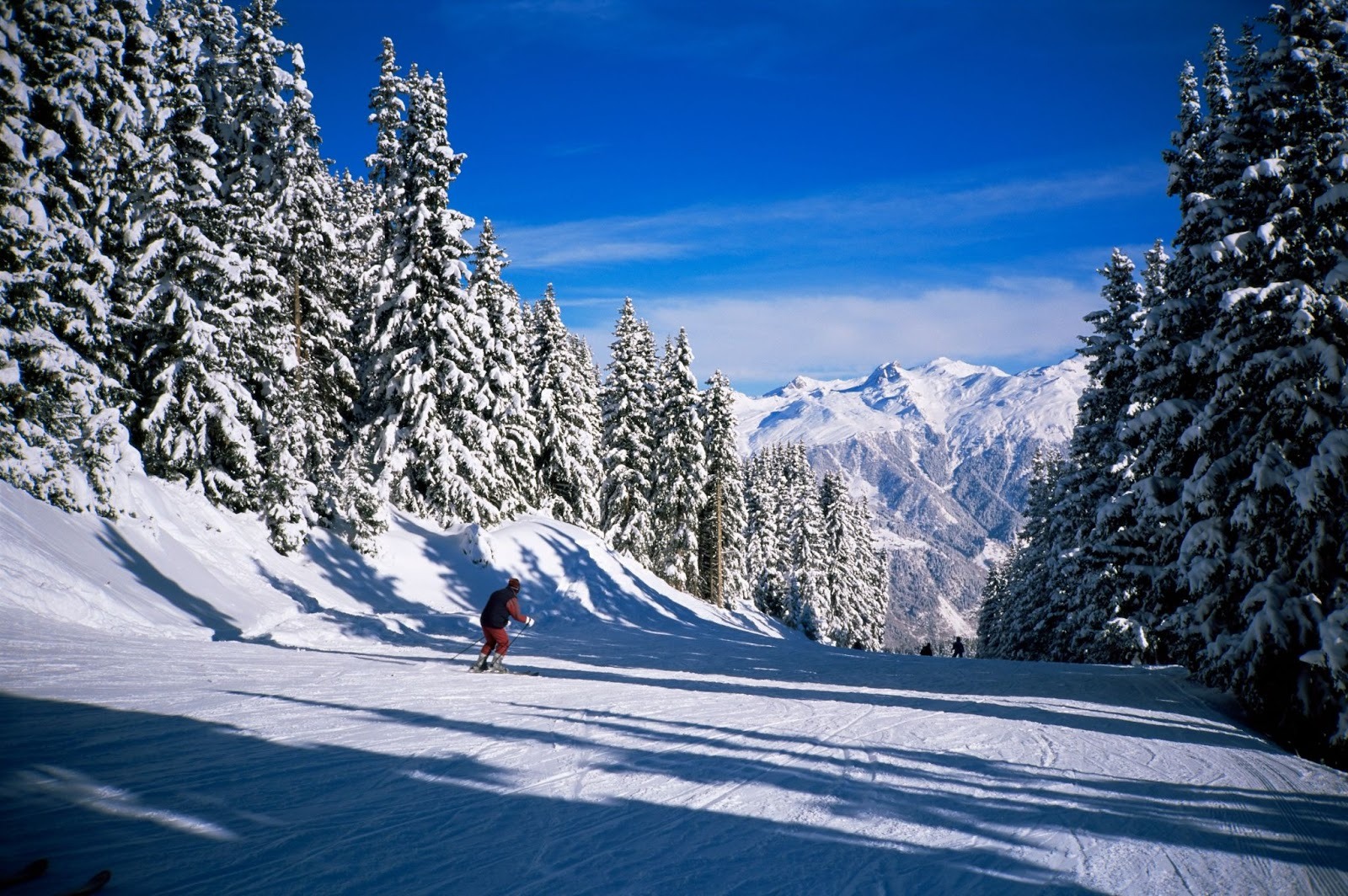
French ski domains are built around linked lift networks. In Les Trois Vallées, a skier can start in Méribel and end up above Orelle near Val Thorens before lunch. The layout may seem easy, yet navigation plays a significant role. Blue runs linking valleys can get congested late morning as ski schools converge. Setting off early avoids the worst of it, particularly around the Saulire and Col de la Loze lifts.
In Val d’Isère and Tignes, the funicular from La Daille up to Bellevarde fills quickly on powder days. Locals often use alternative chairlifts to bypass the main queue. The piste maps look overwhelming at first glance, yet once the main lift corridors are understood, moving between neighbourhoods becomes straightforward. Staying in Val Claret in Tignes makes glacier access easy, while Le Fornet in Val d’Isère feels quieter but requires a couple of lifts to connect fully to the wider network.
Chamonix requires more planning. The Aiguille du Midi cable car, which carries skiers towards the Vallée Blanche off-piste route, has timed tickets in peak weeks. For lift-served skiing, buses connect the different sectors along the valley floor. It’s practical, but it does mean factoring in travel time between areas like Brévent and Le Tour.
Standard Safety Requirements and Cover
French resorts are well organised, but they expect skiers to take responsibility. Helmets aren’t legally required for adults, yet they’re widely worn. Piste markers are clear, and avalanche information boards at lift bases show daily risk levels. Off-piste skiing, especially in areas like the Vallée Blanche in Chamonix, demands proper equipment and ideally a local guide.
Mountain rescue in France is efficient, but it isn’t free. That’s where snow sports travel insurance becomes essential. A standard travel policy often excludes off-piste or even on-piste incidents unless winter sports cover is specifically added. Lift pass insurance, offered at the time of purchase in many resorts, covers refunds for unused days due to injury. It’s usually a small daily supplement and worth considering for longer stays.
First aid stations are clearly marked on piste maps. In larger domains like Les Trois Vallées, response times are generally quick, but storms can delay helicopters. Skiers should also carry ID and emergency contact details as part of their essential travel kit.
French Alps Local Weather Patterns and Peak Season Timing
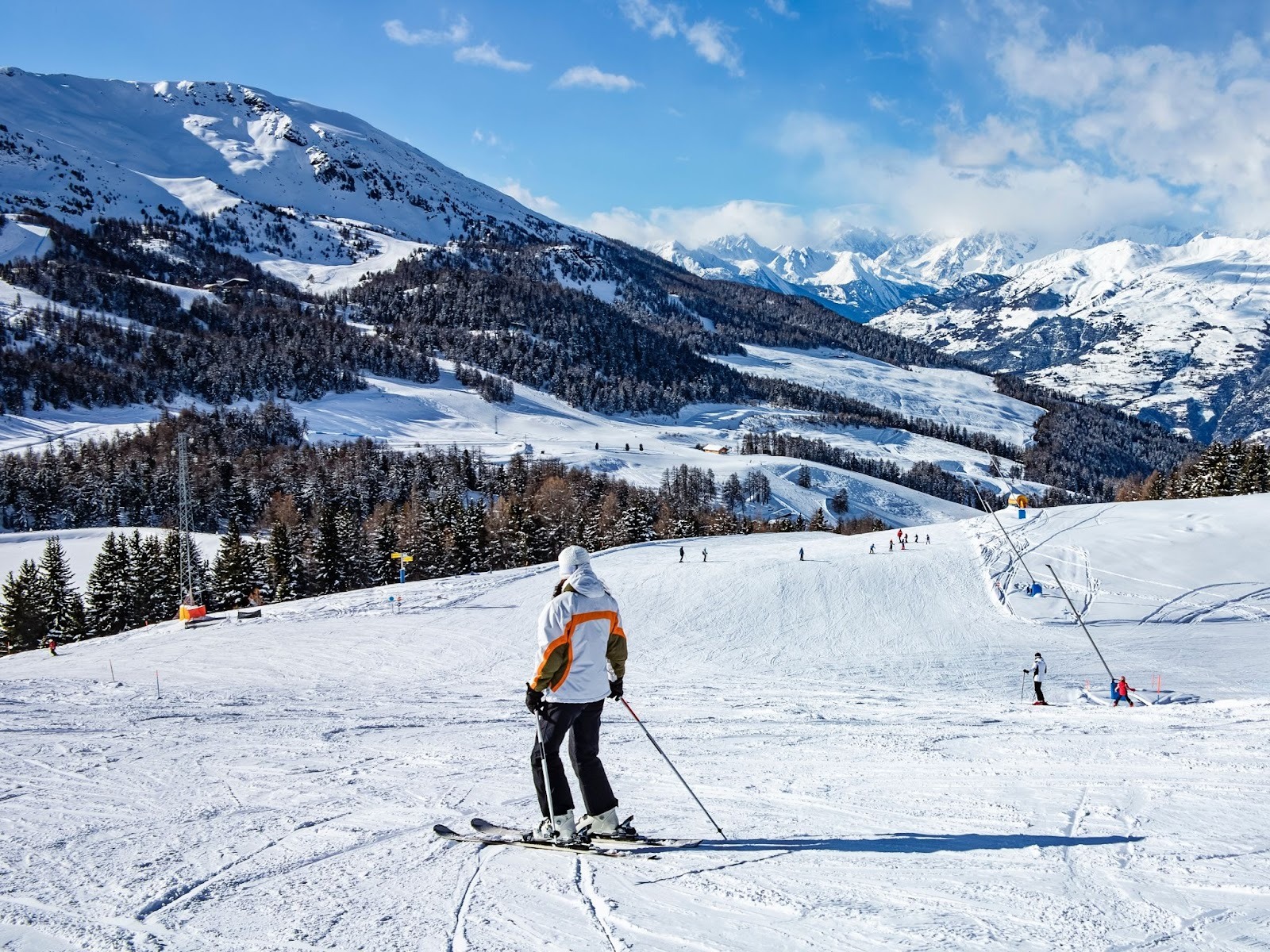
Snow reliability varies by altitude and aspect. High resorts like Val Thorens and Tignes typically open from late November and can run into May. Lower villages, including parts of Méribel, rely more heavily on artificial snow in the early season. North-facing slopes tend to hold better conditions after sunny spells.
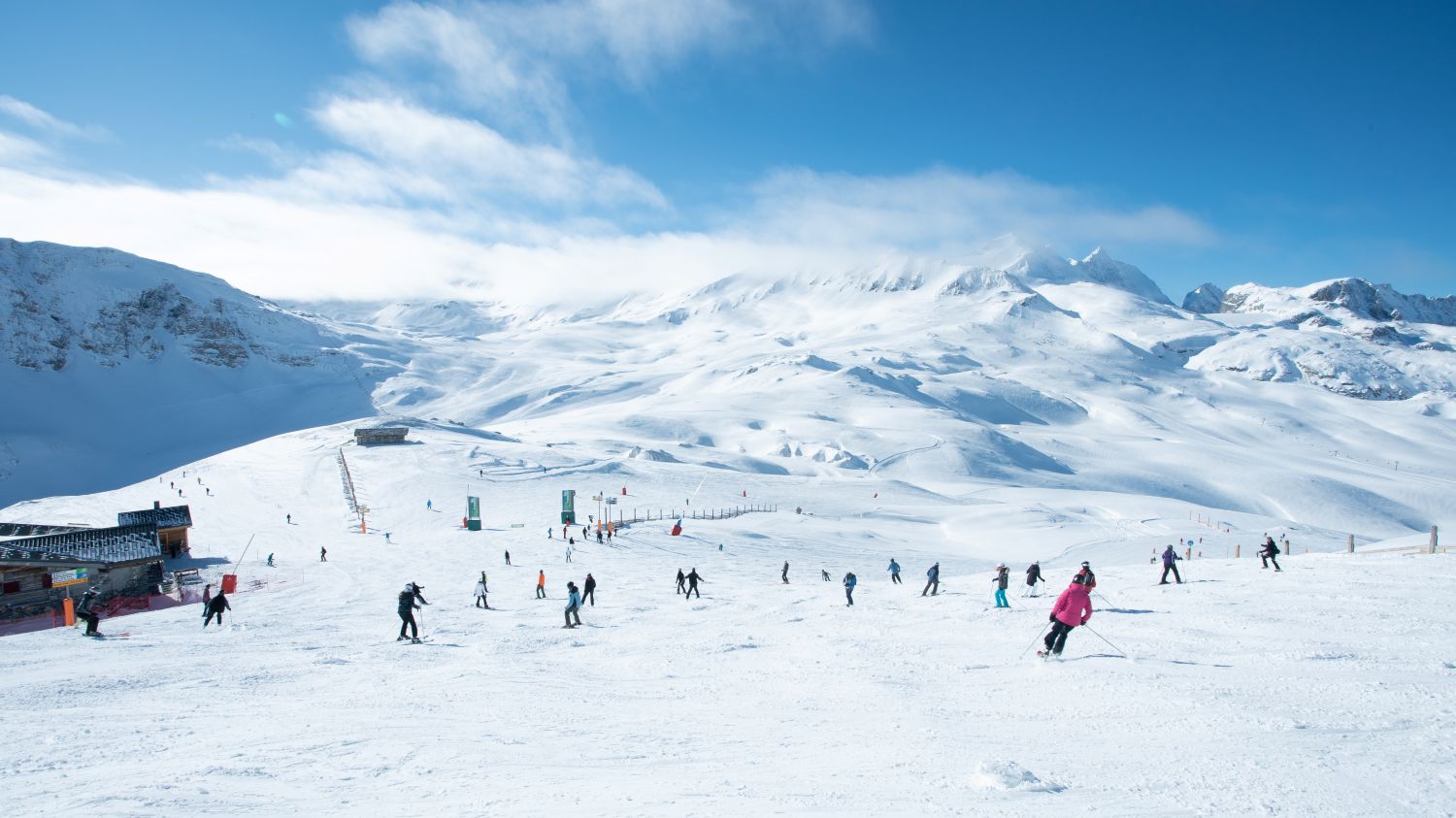
January often brings cold, stable weather with fewer crowds outside French school holidays. February half-term is busy, especially around main lift hubs and nursery slopes. Queue times at central gondolas can stretch beyond 20 minutes mid-morning. Easter shifts each year; late-season skiing can still be strong at altitude, though lower runs may become slushy by afternoon.
Weather systems roll in quickly from the Atlantic. White-out conditions aren’t rare, particularly above the tree line. On those days, wooded sectors like those around La Tania in the Trois Vallées or parts of Les Houches near Chamonix provide better visibility. Checking the local météo board each morning is essential, as it determines the day’s plan.
Equipment Rental vs. Bringing Your Own Gear
For overseas visitors flying long-haul, the decision about skis and boots matters. Bringing personal boots is common; they fit properly, and cabin baggage allowances usually accommodate them. Skis, however, add bulk and potential airline fees. Many travellers opt to rent locally.
French rental shops are reliable, particularly in purpose-built resorts where they sit close to main lift stations. In Val Thorens, several are positioned just off the ski run. It’s worth booking in advance during peak weeks, especially for higher-performance models. Staff generally adjust bindings on the spot and can swap equipment if conditions change.
In traditional villages like Chamonix, rental outlets are spread along the main streets. Those staying in chalet areas outside town may need to factor in a short bus ride to collect gear.
Carrying personal skis makes sense for those with specific preferences or touring setups. For most visitors, however, modern rental fleets are well-maintained. Returning equipment locally at the end of the week removes the need to transport ski bags through Geneva Airport.
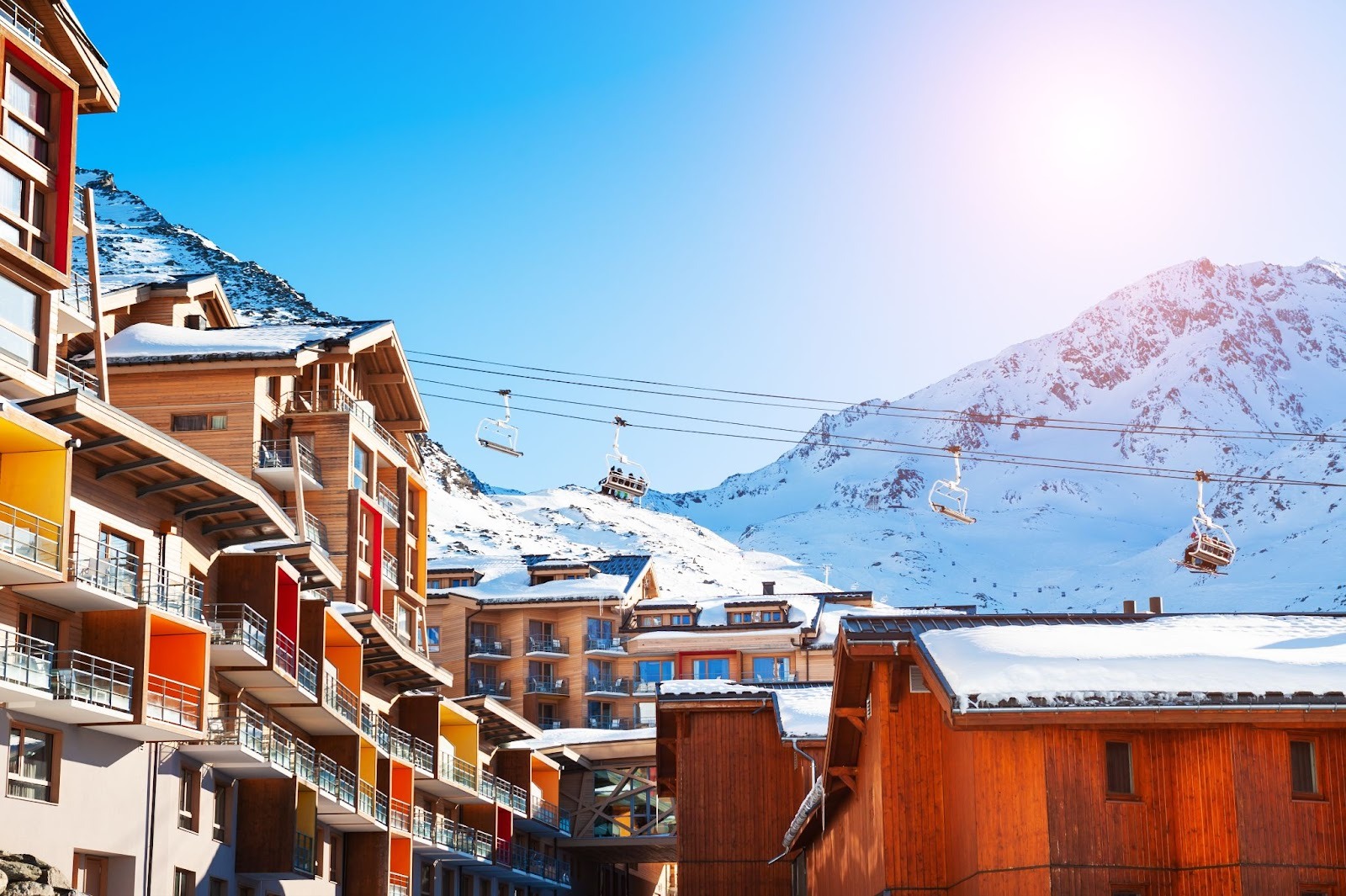
Travel Notes: Ready for the French slopes?
French skiing isn’t just about vertical metres or how many valleys link together. It’s about choosing the right base, understanding how the lifts connect, and knowing when a blue run becomes a bottleneck. High-altitude resorts offer snow security, but village layout and transport links matter just as much. Good insurance protects more than lift days, and a glance at the weather board each morning shapes better decisions on the hill. With a bit of local awareness and realistic expectations, the French Alps deliver serious mileage. The slopes are there. The rest comes down to how well the trip is mapped out before arrival. Bon voyage!